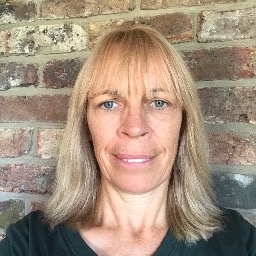
About Margaret
Margaret Brannigan is a counsellor with BACP accreditation and 11 years of experience. She focuses on helping people manage anxiety and stress. Her approach is calm and practical, aimed at helping clients find clearer ways forward.
She listens first and asks questions that help people name what feels hard. Sessions tend to focus on what matters most right now, and on small steps the client can try between meetings. Margaret uses straightforward techniques from cognitive behavioural work and mindfulness alongside a person-centred attitude.
Background and approach
Margaret has supported people facing loss, trauma, addiction and relationship difficulties. She also helps those coping with sleep or eating struggles, low self-esteem, ADHD and the strain of caregiving. Her work includes practical problem solving and helping people rebuild routines and boundaries.
Clients can expect a warm, respectful space in which they are treated as the expert on their life. Margaret aims to walk alongside people as they test new ways of coping and make decisions that suit their situation. She values clear communication and sets collaborative goals.
Her background includes counselling and mediation work across community and clinical settings in the United Kingdom. That experience informs a flexible style that blends narrative listening with goal-focused tools. Margaret works in English and offers sessions to people inside and outside the UK.
Online approaches that respond to anxiety and life changes
Margaret combines a person-centred approach with cognitive behavioural work and mindfulness tools. Person-centred therapy means she follows the client's pace, listens closely and helps people clarify their own goals and values. Cognitive behavioural therapy focuses on noticing patterns of thought and behaviour that keep problems going and on practising small, manageable changes that reduce anxiety symptoms. Mindfulness therapy uses attention and breathing exercises to reduce reactivity and to steady focus during stressful moments.Choosing the right approach is part of the work together. Margaret will discuss goals, test different techniques and agree a plan that fits each person's needs and preferences. That collaborative process helps tailor sessions so they feel useful and doable.
Online sessions are available via video calls, phone sessions, live chat or text-based messaging. Video is helpful for face-to-face conversation and for exercises that use visual cues. Phone sessions can be quicker check-ins and work well when bandwidth is limited. Live chat or messaging can suit shorter updates, mood checks or people who prefer writing. These options make it easier to fit counselling around work, caring duties and travel, while keeping the focus on practical steps and steady progress.
Questions people ask
What kinds of concerns does Margaret help with?
What is her therapeutic style like?
How much experience does she have?
What credentials and location are listed?
In which languages can sessions be held?
Which session formats does she use?
How much do sessions cost?
What are the first steps to begin sessions?
What this therapist works with
Most often
Also listed
- Abandonment
- Addictions
- ADHD
- Aging and geriatric issues
- Anger management
- Antisocial personality
- Attachment issues
- Autism and Asperger Syndrome
- Avoidant personality
- Bipolar disorder
- Blended family issues
- Body image
- Cancer
- Caregiver issues and stress
- Chronic pain, illness, and disability
- Codependency
- Commitment issues
- Communication problems
- Compassion fatigue
- Control issues
- Coping with life changes
- Coping with natural or human-caused disaster
- Dependent personality
- Depression
- Disruptive Mood Dysregulation Disorder (DMDD)
- Dissociation
- Divorce and separation
- Domestic violence
- Drug and alcohol addiction
- Eating and food-related issues
- Eating disorders
- Emptiness
- Family conflicts
- Family problems
- Fatherhood issues
- Fertility issues
- Forgiveness
- Gender dysphoria
- Guilt and shame
- Impulsivity
- Infidelity
- Intellectual disability
- Intimacy-related issues
- Isolation / loneliness
- Jealousy
- LGBT
- Life purpose
- Men's issues
- Midlife crisis
- Money and financial issues
- Mood disorders
- Narcissism
- Obsessions, compulsions, and OCD
- Panic disorder and panic attacks
- Paranoia
- Parenting issues
- Personality disorders
- Phobias
- Polyamory / non-monogamous relationships
- Post-traumatic stress
- Postpartum depression
- Prejudice and discrimination
- Process addiction (porn, exercise, gambling)
- Relationship issues
- Seasonal Affective Disorder (SAD)
- Self esteem
- Self-harm
- Self-love
- Sex addiction
- Sexual assault and abuse
- Sexual dysfunction
- Sexuality
- Sleeping disorders
- Social anxiety and phobia
- Traumatic brain injury
- Women's issues
- Workplace issues
- Young adult issues
Therapeutic approaches
- Experience
- 11 years
- Licensed
- Languages
- English
We will earn a commission if you sign up through our link, at no cost to you.