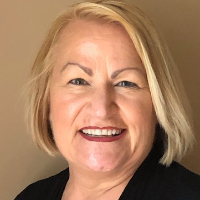
About Ann
Ann Legierski is a Licensed Clinical Social Worker with 13 years of experience helping people manage stress, anxiety, addiction, depression, and relationship concerns. She uses straightforward, compassionate support to help clients face hard moments and build skills to cope. Ann aims to create a calm, respectful space where people can talk about what matters to them and plan practical steps forward.
She blends several therapy styles to match each person’s needs rather than relying on one fixed method.
Background and approach
Ann often draws on cognitive behavioral techniques to notice and change unhelpful thoughts and behaviors. She also uses attachment-based ideas to explore how past relationships shape current feelings and reactions. Her sessions are client-centered and collaborative.
That means she listens first, then helps people set clear, personal goals. Sessions include teachable skills, gentle feedback, and chances to practice new ways of handling stress and conflict. Ann has worked with a wide range of concerns including trauma and abuse, grief, eating and body-image issues, ADHD, bipolar disorder, and compassion fatigue.
She also helps with life transitions, career stress, caregiver burden, chronic illness, and communication problems. Based in California, Ann offers video calls, phone sessions, live chat, and text-based messaging. She explains options, answers questions about how therapy works, and supports each person in choosing what fits their routine and needs.
How therapeutic approaches translate to online care
Attachment-based work helps people see how early connections shape current feelings and reactions; online sessions use conversation and reflective exercises to notice patterns and try new ways of relating. Cognitive Behavioral Therapy, or CBT, focuses on spotting unhelpful thoughts and testing new behaviors; in remote sessions this often means setting small practice tasks and reviewing results together.Finding the right approach is part of the process. The therapist will partner with each person to pick methods that fit their goals and preferences. That collaboration means trying ideas, adjusting what isn’t helping, and keeping what works better over time.
Online therapy offers practical flexibility. Video calls allow face-to-face interaction for skills practice and emotion-focused work. Phone sessions can be easier when bandwidth is low or someone prefers not to be on camera. Live chat and text messaging make brief check-ins, skill reminders, and quick problem-solving possible between longer sessions. Together these options make it easier to fit therapy into a busy life while using the approaches that best address stress, anxiety, relationship issues, and other concerns.
Questions people ask
What concerns does she help with?
What is her therapy style like?
How much clinical experience does she have?
What credentials and location are listed?
Which languages are offered for sessions?
What session formats are available?
How is cost handled for sessions?
How do I begin working with her?
What this therapist works with
Most often
Also listed
- Abandonment
- ADHD
- Aging and geriatric issues
- Anger management
- Attachment issues
- Avoidant personality
- Bipolar disorder
- Blended family issues
- Body image
- Cancer
- Career difficulties
- Caregiver issues and stress
- Chronic pain, illness, and disability
- Co-morbidity
- Codependency
- Commitment issues
- Communication problems
- Compassion fatigue
- Control issues
- Coping with life changes
- Coping with natural or human-caused disaster
- Dependent personality
- Depression
- Disruptive Mood Dysregulation Disorder (DMDD)
- Divorce and separation
- Domestic violence
- Drug and alcohol addiction
- Eating disorders
- Emptiness
- Family conflicts
- Family of origin issues
- Family problems
- Forgiveness
- Grief
- Guilt and shame
- HIV / AIDS
- Hospice and end-of-life counseling
- Impulsivity
- Infidelity
- Intimacy-related issues
- Isolation / loneliness
- Jealousy
- Life purpose
- Midlife crisis
- Mood disorders
- Multicultural concerns
- Narcissism
- Obsessions, compulsions, and OCD
- Panic disorder and panic attacks
- Paranoia
- Personality disorders
- Phobias
- Post-traumatic stress
- Prejudice and discrimination
- Process addiction (porn, exercise, gambling)
- Relationship issues
- Self esteem
- Self-harm
- Self-love
- Sexual assault and abuse
- Sexuality
- Social anxiety and phobia
- Trauma and abuse
- Women's issues
- Workplace issues
- Young adult issues
Therapeutic approaches
- Experience
- 13 years
- Licensed
- California
- Languages
- English
We will earn a commission if you sign up through our link, at no cost to you.