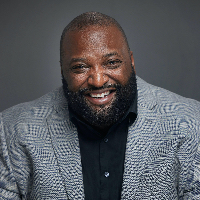
About Patrick
Dr. Patrick Casthely is a Licensed Mental Health Counselor with 30 years of experience based in Florida. He brings a long clinical history to his work and focuses on helping people manage stress and anxiety.
He also addresses addictions, depression, grief, trauma, relationship and intimacy issues, and the strain that major life changes can cause. Patrick uses straightforward conversation to identify what matters to each person. He listens closely and then adapts methods to the person in front of him rather than following one fixed approach.
Background and approach
Sessions aim to be practical and focused on steps a person can try between meetings. He draws on client-centered techniques to keep sessions grounded in each person’s priorities. Cognitive behavioral ideas are used to spot unhelpful thinking patterns and test small behavioral changes.
Narrative and existential ideas are woven in when it helps people reframe difficult stories or find meaning after loss and life transitions. People come to him for a wide range of concerns, including self-esteem, coping with change, career stress, parenting strain, and issues around identity such as LGBT related stress.
Addictions, compassion fatigue, and chronic illness or caregiver stress are also among the topics he addresses. Sessions can use several formats including video calls, phone, live chat, or text-based messaging. Patrick describes his role as a collaborator who helps people set realistic goals and try practical steps toward them.
How therapy approaches translate to online care
Client-centered therapy centers on the person’s own goals and experience. In sessions the therapist listens actively and helps people shape conversations around what they want to change, which works well for stress, anxiety, and relationship concerns.Cognitive Behavioral Therapy, or CBT, focuses on identifying unhelpful thoughts and testing small behavioral experiments. It is practical and goal-oriented and can help with anxiety, depression, and binge or addictive behaviors by turning ideas into concrete steps.
Narrative Therapy emphasizes the stories people tell about themselves. Rewriting or reframing those stories can reduce shame, improve self-esteem, and open new choices after loss or major life changes.
Finding the right mix of approaches is part of the work. The therapist collaborates with each person to choose methods that match their needs, goals, and comfort level. That partnership guides what happens in sessions and what homework or practice might be suggested between meetings.
Online formats offer flexibility that many people find helpful. Video calls let the therapist and client use visual cues and hold longer sessions. Phone sessions can be easier when bandwidth is limited or a shorter check-in is needed. Live chat and text-based messaging support brief updates, coaching-style contact, or steady, written reflection between meetings. These options make it easier to fit therapy into a busy life while keeping the focus on practical progress.
Questions people ask
What kinds of concerns does this therapist help with?
What is his general therapeutic style?
How much experience does he have?
What credentials and location should I know about?
Which languages are sessions offered in?
Can international clients work with him?
What session formats are available?
How do I begin working with this therapist?
What this therapist works with
Most often
- Stress, Anxiety
- Addictions
- Relationship issues
Also listed
- Abandonment
- Aging and geriatric issues
- Anger management
- Antisocial personality
- Attachment issues
- Avoidant personality
- BDSM, kink, and alternative sex culture
- Bipolar disorder
- Blended family issues
- Body image
- Cancer
- Career difficulties
- Caregiver issues and stress
- Chronic pain, illness, and disability
- Co-morbidity
- Coaching
- Codependency
- Commitment issues
- Communication problems
- Compassion fatigue
- Control issues
- Coping with life changes
- Coping with natural or human-caused disaster
- Dependent personality
- Depression
- Disruptive Mood Dysregulation Disorder (DMDD)
- Dissociation
- Divorce and separation
- Domestic violence
- Drug and alcohol addiction
- Eating and food-related issues
- Emptiness
- Family conflicts
- Family of origin issues
- Family problems
- Fatherhood issues
- First responder issues
- Forgiveness
- Gender dysphoria
- Grief
- Guilt and shame
- Hearing impaired
- HIV / AIDS
- Hoarding
- Hospice and end-of-life counseling
- Immigration issues
- Impulsivity
- Infidelity
- Intellectual disability
- Intimacy-related issues
- Isolation / loneliness
- Jealousy
- LGBT
- Life purpose
- Men's issues
- Midlife crisis
- Money and financial issues
- Mood disorders
- Multicultural concerns
- Narcissism
- Obsessions, compulsions, and OCD
- Panic disorder and panic attacks
- Paranoia
- Parenting issues
- Personality disorders
- Phobias
- Polyamory / non-monogamous relationships
- Post-traumatic stress
- Postpartum depression
- Pregnancy and childbirth
- Prejudice and discrimination
- Process addiction (porn, exercise, gambling)
- Seasonal Affective Disorder (SAD)
- Self esteem
- Self-harm
- Self-love
- Sex addiction
- Sexual assault and abuse
- Sexual dysfunction
- Sexuality
- Smoking / vaping cessation
- Social anxiety and phobia
- Somatization
- Trauma and abuse
- Traumatic brain injury
- Trichotillomania
- Veteran and Armed Forces Issues
- Visually impaired
- Workplace issues
- Young adult issues
Therapeutic approaches
- Experience
- 30 years
- Licensed
- Florida
- Languages
- English
We will earn a commission if you sign up through our link, at no cost to you.