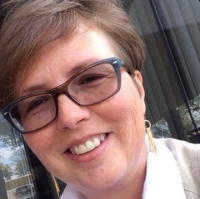
About Cynthia
Cynthia Herndon is a Licensed Master Social Worker (LMSW) with 20 years of clinical experience. She offers a warm, interactive style and focuses on helping people manage anxiety, stress, mood concerns, and addiction-related problems. Cynthia works with clients to build realistic goals and steady progress.
She draws on client-centered work to make sessions feel collaborative and respectful. Cynthia uses cognitive behavioral techniques to help people spot unhelpful thoughts and try new behaviors.
Background and approach
Mindfulness and motivational interviewing are part of her approach for building awareness and inner motivation. Over two decades she has worked in both rural and urban settings, hospitals, outpatient clinics, and homeless outreach. Her background includes experience with veterans, caregivers, elder care, hospice, and LGBTQ populations.
She has helped people facing mood disorders, trauma, substance use, and complex life transitions. Cynthia also has knowledge of guardianship processes, advance directives, and durable power of attorney matters, which can be useful for people navigating medical or legal planning alongside mental health needs. She emphasizes practical steps and clear communication when those topics come up.
In sessions she encourages active participation and partners with each person to build a treatment plan that fits their situation. Cynthia invites people who are ready to take a first step toward change to begin a conversation and explore whether her approach feels like a good fit.
Therapeutic approaches and how they work online
Client-centered therapy focuses on listening and responding to each person's needs so they feel heard and respected; it helps people who want a collaborative relationship and support in making choices. Cognitive behavioral therapy (CBT) looks at the link between thoughts, feelings, and actions and teaches practical techniques to reduce anxiety and change unhelpful patterns. Mindfulness therapy builds present-moment awareness and simple practices that can reduce stress and improve sleep.Finding the best approach is part of the work together. The therapist will discuss goals, try techniques, and adjust the plan based on what feels most helpful. This collaborative process helps match methods to a person's needs and preferences rather than imposing a single approach.
Online formats used include video calls, phone sessions, live chat, and text-based messaging. Video sessions let people work face-to-face when bandwidth and a quiet space are available. Phone sessions can be easier when video isn't practical or when a shorter check-in fits a busy day. Live chat and text messaging give a flexible way to share thoughts between sessions or to have brief, focused conversations without scheduling a full call.
Questions people ask
What concerns does Cynthia commonly address?
What is her general therapy style?
What experience does she bring to sessions?
What credentials and location are listed?
Which languages are supported and are international clients accepted?
What session formats are available?
How does pricing work for sessions?
How do I begin working with her?
What this therapist works with
Most often
Also listed
- Abandonment
- Aging and geriatric issues
- Anger management
- Attachment issues
- BDSM, kink, and alternative sex culture
- Bipolar disorder
- Career difficulties
- Caregiver issues and stress
- Chronic pain, illness, and disability
- Co-morbidity
- Codependency
- Commitment issues
- Communication problems
- Control issues
- Coping with life changes
- Coping with natural or human-caused disaster
- Dependent personality
- Depression
- Divorce and separation
- Drug and alcohol addiction
- Eating and food-related issues
- Eating disorders
- Family conflicts
- Family problems
- Forgiveness
- Gender dysphoria
- Grief
- Guilt and shame
- HIV / AIDS
- Hoarding
- Hospice and end-of-life counseling
- Impulsivity
- Infidelity
- Intimacy-related issues
- Isolation / loneliness
- Life purpose
- Midlife crisis
- Money and financial issues
- Mood disorders
- Multicultural concerns
- Obsessions, compulsions, and OCD
- Panic disorder and panic attacks
- Phobias
- Polyamory / non-monogamous relationships
- Post-traumatic stress
- Process addiction (porn, exercise, gambling)
- Relationship issues
- Seasonal Affective Disorder (SAD)
- Self esteem
- Self-love
- Sex addiction
- Sexual assault and abuse
- Sexual dysfunction
- Sexuality
- Sleeping disorders
- Smoking / vaping cessation
- Social anxiety and phobia
- Trauma and abuse
- Traumatic brain injury
- Veteran and Armed Forces Issues
- Women's issues
- Workplace issues
Therapeutic approaches
- Experience
- 20 years
- Licensed
- Michigan
- Languages
- English
We will earn a commission if you sign up through our link, at no cost to you.