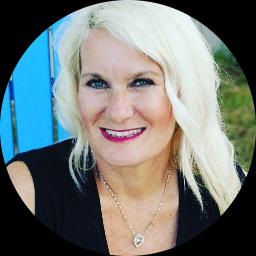
About Connie
Connie Owens is a licensed clinical social worker who brings 25 years of practice to her work. She offers straightforward support for people dealing with anxiety, stress, grief, relationship problems, addiction concerns, and related struggles. Her style is warm and direct, and she aims to meet each person where they are.
Connie combines practical talk therapy with attention to everyday life factors. She draws on methods that help people change unhelpful thinking, build coping skills, and improve emotional regulation.
Background and approach
She also pays attention to patterns formed in close relationships and how those affect current difficulties. Her background includes long experience with trauma, substance use, grief, chronic health concerns, and life-stage stressors. Connie has practiced across multiple states and has worked with many people recovering from abusive relationships and other forms of relational harm.
She uses Acceptance and Commitment Therapy, Cognitive Behavioral Therapy, Dialectical Behavior Therapy, Attachment-based ideas, and a client-centered stance when shaping sessions. Conversations focus on practical steps people can try between sessions and on building skills that fit daily life. Connie also incorporates a holistic view that considers mind, body, spirit, and life context when planning care.
She respects individual beliefs and adapts the therapeutic approach to each person's goals and values. Her aim is to help people develop tools so they can move forward with more confidence and stability.
Therapeutic approaches adapted for online care
Acceptance and Commitment Therapy (ACT) helps people notice unwanted thoughts and choose actions that match their values. It is useful for anxiety, stress, and life transitions because it focuses on meaningful goals rather than fighting every uncomfortable feeling. Cognitive Behavioral Therapy (CBT) teaches specific ways to spot and change unhelpful thinking and behavior patterns. It often includes simple exercises to practice between sessions and can reduce symptoms of anxiety and depression. Dialectical Behavior Therapy (DBT) emphasizes emotion regulation, distress tolerance, and clearer communication. Those skills help when intense emotions or relationship conflicts get in the way of daily functioning.Finding the right approach is part of the work. Connie will collaborate with each person to choose or combine methods based on goals, needs, and what feels doable. Sessions are tailored and adjusted over time so strategies fit the persons life and priorities.
Online therapy offers flexible ways to connect. Video calls are useful for face-to-face conversation and exercises that use visual aids. Phone sessions can be easier when video would be difficult or bandwidth is limited. Live chat and text-based messaging let people check in between sessions or use shorter exchanges when schedules are tight. These options make it possible to keep therapy consistent even with busy or changing routines.
Questions people ask
What kinds of concerns does Connie address?
What is her therapeutic style like?
How much experience does she have?
What credentials and location are listed for her?
Can sessions be conducted in other languages or with international clients?
Which session formats are offered?
How does payment and cost work?
What do I need to do to start working with her?
What this therapist works with
Most often
- Addictions
- Relationship issues
- Trauma and abuse
Also listed
- Abandonment
- ADHD
- Aging and geriatric issues
- Anger management
- Antisocial personality
- Attachment issues
- Avoidant personality
- Bipolar disorder
- Blended family issues
- Body image
- Cancer
- Career difficulties
- Caregiver issues and stress
- Chronic pain, illness, and disability
- Co-morbidity
- Codependency
- Commitment issues
- Communication problems
- Compassion fatigue
- Control issues
- Coping with life changes
- Coping with natural or human-caused disaster
- Dependent personality
- Depression
- Disruptive Mood Dysregulation Disorder (DMDD)
- Dissociation
- Divorce and separation
- Domestic violence
- Drug and alcohol addiction
- Eating and food-related issues
- Eating disorders
- Emptiness
- Family conflicts
- Family of origin issues
- Family problems
- Fatherhood issues
- First responder issues
- Forgiveness
- Grief
- Guilt and shame
- Hospice and end-of-life counseling
- Impulsivity
- Infidelity
- Intellectual disability
- Intimacy-related issues
- Isolation / loneliness
- Jealousy
- LGBT
- Life purpose
- Midlife crisis
- Money and financial issues
- Mood disorders
- Multicultural concerns
- Narcissism
- Obsessions, compulsions, and OCD
- Panic disorder and panic attacks
- Paranoia
- Parenting issues
- Personality disorders
- Polyamory / non-monogamous relationships
- Post-traumatic stress
- Postpartum depression
- Pregnancy and childbirth
- Prejudice and discrimination
- Process addiction (porn, exercise, gambling)
- Seasonal Affective Disorder (SAD)
- Self esteem
- Self-harm
- Self-love
- Sex addiction
- Sexual assault and abuse
- Sexuality
- Sleeping disorders
- Smoking / vaping cessation
- Social anxiety and phobia
- Stress, Anxiety
- Traumatic brain injury
- Veteran and Armed Forces Issues
- Women's issues
- Workplace issues
- Young adult issues
Therapeutic approaches
- Experience
- 25 years
- Licensed
- Florida, Michigan, Colorado
- Languages
- English
We will earn a commission if you sign up through our link, at no cost to you.