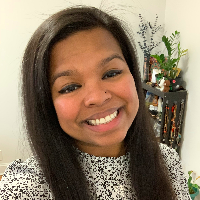
About Saila
Saila Akhtar is a licensed mental health counselor who helps people manage stress and anxiety. She uses a direct, respectful manner to support people facing depression, addictions, relationship strain, parenting concerns, and major life changes. She aims to make conversations feel clear and doable so clients can take practical steps forward.
With eight years of clinical experience, she has worked with people who have faced trauma, emotional abuse, substance use, attention challenges, and family conflict.
Background and approach
Her work also addresses grief, career pressures, self-esteem, and compassion fatigue. She listens for what matters most and focuses on immediate concerns and everyday functioning. Her approach centers on the person in front of her.
Sessions are interactive and tailored to each individual’s goals. She blends client-centered work with cognitive-behavioral and dialectical tools to build skills and reduce distress. Saila also draws on existential and Jungian ideas to help people make sense of painful life moments and find meaning.
That can be useful when someone is wrestling with identity, commitment, or long-standing patterns. She offers video calls, phone sessions, live chat, and text-based messaging to fit different schedules. Sessions are structured to match what the person hopes to change, whether that means short-term coping strategies or a longer exploration of life patterns.
Approaches that guide online sessions
Client-centered therapy focuses on listening and responding to what the person needs in the moment. It helps people feel heard and shapes sessions around their goals rather than a fixed agenda. Cognitive Behavioral Therapy, or CBT, looks at the link between thoughts, feelings, and behavior and teaches concrete strategies to reduce anxiety and change unhelpful habits. Dialectical Behavior Therapy, or DBT, emphasizes practical skills for managing intense emotions, improving relationships, and tolerating distress.Choosing the right approach is part of the work together. The therapist will talk with the person about goals, try strategies, and adjust methods based on what helps. That collaborative planning means therapy can shift from skills practice to deeper reflection as needs evolve.
Online sessions can fit around busy days and different life demands. Video calls let people read facial cues and have a fuller conversation, while phone sessions work well when bandwidth is limited or a quicker check-in is needed. Live chat and text-based messaging allow brief updates, skill practice between sessions, and flexible contact when sitting down for a full session is hard. These options make ongoing care more manageable for many people.
Questions people ask
What kinds of concerns does she address?
How would you describe her therapy style?
What is her clinical background?
Where is she licensed and based?
Can I have sessions in a language other than English?
What session formats are available?
How does payment and cost work?
What are the steps to begin therapy?
What this therapist works with
Most often
- Stress, Anxiety
- Addictions
- Family conflicts
Also listed
- Abandonment
- ADHD
- Adoption and foster care
- Aging and geriatric issues
- Anger management
- Autism and Asperger Syndrome
- Bipolar disorder
- Blended family issues
- Body image
- Career difficulties
- Coaching
- Codependency
- Commitment issues
- Communication problems
- Compassion fatigue
- Coping with life changes
- Depression
- Divorce and separation
- Domestic violence
- Drug and alcohol addiction
- Eating and food-related issues
- Family of origin issues
- Family problems
- Forgiveness
- Grief
- Guilt and shame
- HIV / AIDS
- Immigration issues
- Impulsivity
- Intellectual disability
- Intimacy-related issues
- Isolation / loneliness
- Life purpose
- Money and financial issues
- Mood disorders
- Multicultural concerns
- Obsessions, compulsions, and OCD
- Panic disorder and panic attacks
- Parenting issues
- Personality disorders
- Phobias
- Post-traumatic stress
- Postpartum depression
- Relationship issues
- Self esteem
- Self-harm
- Self-love
- Sex addiction
- Sexual assault and abuse
- Sexuality
- Social anxiety and phobia
- Trauma and abuse
- Women's issues
- Workplace issues
- Young adult issues
Therapeutic approaches
- Experience
- 8 years
- Licensed
- New York, Florida
- Languages
- English
We will earn a commission if you sign up through our link, at no cost to you.