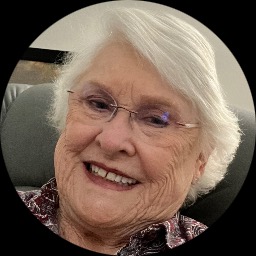
About Donna
Dr. Donna St. Hillier is a licensed mental health counselor with four decades of clinical experience.
She uses a warm, straightforward style to help people manage stress, anxiety, grief, and depression. Her approach centers on practical steps and personal strengths rather than jargon. She practices in Florida and meets people where they are in life.
Many people who turn to her are coping with major life changes. She also supports concerns like abandonment, caregiver stress, chronic illness, and end-of-life issues.
Background and approach
Dr. St. Hillier pays attention to how life events and losses shape daily routines and mood.
Her work draws on therapies that focus on values, present-moment awareness, and changing unhelpful thoughts and behaviors. Sessions tend to be conversational and grounded in real-life problem solving. She encourages gentle self-compassion while building new coping skills.
With 40 years of experience, she offers perspective on long-term patterns as well as short-term stressors. She believes clients bring strengths and life experience that help guide change. People who prefer a calm, experience-based guide often find her approach reassuring.
Dr. St. Hillier values collaboration and clear goals.
She invites people to bring questions and realistic aims for therapy. Work together usually includes small, doable steps toward better daily functioning.
Therapeutic approaches and online sessions
Acceptance and Commitment Therapy (ACT) helps you clarify what matters most and take small committed steps toward those values. It is useful for anxiety, stress, and life transitions because it focuses on meaningful action rather than fighting every uncomfortable feeling.Cognitive Behavioral Therapy (CBT) looks at the link between thoughts, feelings, and behavior and offers concrete tools to change unhelpful patterns. It is especially helpful for managing anxious thinking and building practical coping skills.
Finding the right approach is a collaborative process. The therapist will talk with each person about goals, preferences, and what has or hasn’t helped before. Together they decide which tools to try and adjust the plan as progress is made.
Online therapy formats include video calls, phone sessions, live chat, and text-based messaging. Video calls allow face-to-face conversation when needed, phone sessions can work well when bandwidth is limited, chat is useful for brief check-ins, and messaging supports ongoing reflection between sessions. These options make it easier to fit therapy into a busy schedule and to use different formats for different needs.
Questions people ask
What kinds of concerns does she address?
What is her therapeutic style like?
How long has she practiced?
Where does she practice and what are her credentials?
Which languages are supported for sessions?
Can people outside the U.S. work with her?
What session formats are available?
How are fees and getting started handled?
What this therapist works with
Most often
Also listed
- Abandonment
- Aging and geriatric issues
- Cancer
- Caregiver issues and stress
- Chronic pain, illness, and disability
- Codependency
- Communication problems
- Coping with life changes
- Coping with natural or human-caused disaster
- Depression
- Emptiness
- Forgiveness
- Gender dysphoria
- Guilt and shame
- HIV / AIDS
- Hospice and end-of-life counseling
- Life purpose
- Obsessions, compulsions, and OCD
- Panic disorder and panic attacks
- Phobias
- Post-traumatic stress
- Seasonal Affective Disorder (SAD)
- Sexual assault and abuse
- Sexuality
- Social anxiety and phobia
- Trichotillomania
- Veteran and Armed Forces Issues
- Women's issues
- Young adult issues
Therapeutic approaches
- Experience
- 40 years
- Licensed
- Florida
- Languages
- English
We will earn a commission if you sign up through our link, at no cost to you.