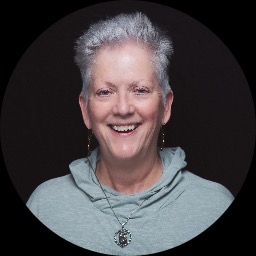
About Cynthia
Cynthia Roe is a licensed clinical social worker in California with 30 years of experience. She helps people who are overwhelmed by stress, anxiety, depression, trauma, or life transitions. Cynthia listens with respect and sensitivity and aims to make the first steps feel manageable.
She often works with people facing LGBTQI+ concerns, grief, addiction, bipolar mood challenges, and caregiver fatigue. Cynthia also supports those affected by cancer and people navigating adoption, abandonment, or attachment questions.
Background and approach
Her approach is practical and focused on the person in front of her. Cynthia uses a mix of talking and skill-building. She draws on cognitive behavioral techniques to identify unhelpful thinking patterns and on mindfulness to strengthen present-moment awareness.
Attachment-informed thinking guides her work with relationship and family issues. Sessions are tailored to each person’s situation. Cynthia asks about goals and preferences, then shapes conversations and exercises to match what matters most.
She encourages steady progress through small, doable steps rather than quick fixes. People choose Cynthia for long-term experience and a calm, steady manner. She aims to create an environment where questions are welcome and new coping tools can be practiced.
The focus is on practical change and clearer decision-making over time.
How Cynthia’s approaches translate to online therapy
Cognitive Behavioral Therapy helps people notice and change thinking and behavior patterns that worsen anxiety or depression. In short sessions clients learn to test unhelpful thoughts and practice different responses that reduce distress.Attachment-Based Therapy looks at how past relationships shape current reactions. This work can help with relationship wounds, attachment concerns, and family-of-origin issues by creating new, healthier ways of relating and responding.
Finding the best approach is a collaborative process. Cynthia will talk with each person about goals, preferences, and what feels most helpful. Together they decide which methods to try and adjust the plan over time based on what is working.
Online formats include video calls, phone sessions, live chat, and text-based messaging. Video is useful for deeper conversations and exercises that use visual cues. Phone sessions work well when bandwidth is limited or for a shorter check-in. Live chat and text messaging can make it easier to fit therapy into a busy day and to keep momentum between sessions.
Questions people ask
What issues does Cynthia help with?
What style of therapy does she use?
How much experience does she have?
Where is Cynthia licensed and based?
Which languages are supported?
What session formats are available?
How are costs handled?
How do I begin working with Cynthia?
What this therapist works with
Most often
Also listed
- Abandonment
- Addictions
- ADHD
- Adoption and foster care
- Aging and geriatric issues
- Anger management
- Attachment issues
- Bipolar disorder
- Blended family issues
- Cancer
- Career difficulties
- Caregiver issues and stress
- Codependency
- Communication problems
- Compassion fatigue
- Coping with life changes
- Depression
- Disruptive Mood Dysregulation Disorder (DMDD)
- Family conflicts
- Family of origin issues
- Fertility issues
- Forgiveness
- Gender dysphoria
- Grief
- Guilt and shame
- HIV / AIDS
- Isolation / loneliness
- Life purpose
- Mood disorders
- Multicultural concerns
- Obsessions, compulsions, and OCD
- Panic disorder and panic attacks
- Parenting issues
- Polyamory / non-monogamous relationships
- Post-traumatic stress
- Postpartum depression
- Relationship issues
- Self esteem
- Self-harm
- Self-love
- Sexual assault and abuse
- Sexuality
- Social anxiety and phobia
- Women's issues
Therapeutic approaches
- Experience
- 30 years
- Licensed
- California
- Languages
- English
We will earn a commission if you sign up through our link, at no cost to you.