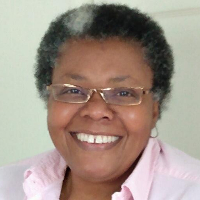
About Cherie
Cherie Taylor is a licensed professional counselor (LPC) practicing in Virginia. She focuses on helping people manage stress, anxiety, depression, and concerns about self-esteem. Her style is warm and direct, aimed at making mental health help feel accessible and understandable.
Cherie uses practical tools so people can handle hard moments better. She draws on cognitive behavioral ideas to change unhelpful thoughts and behaviors. She also uses acceptance and commitment concepts to help people clarify values and take small, meaningful steps toward them.
Background and approach
Her work often includes support for those facing relationship strain, grief, trauma, or struggles with addiction. She pays attention to how attachment patterns and past family experiences shape current difficulties. Cherie also helps people working through caregiver stress, career pressure, or major life changes.
Sessions are collaborative and paced to each person. Cherie aims to create a calm space to talk, practice new skills, and plan workable changes. She meets people where they are and focuses on what matters most to them now.
With nine years of experience, Cherie combines evidence-based techniques with a client-centered attitude. She works with individuals across a wide range of concerns, including issues relevant to LGBT people, and offers several online session formats to fit different needs.
Therapeutic approaches and online options that fit your life
Acceptance and Commitment Therapy (ACT) helps people notice difficult thoughts and feelings without getting stuck in them, then clarify what matters and take small steps toward those values. Cognitive Behavioral Therapy (CBT) focuses on identifying unhelpful thoughts and testing them with practical behavior changes to reduce anxiety and low mood. Attachment-Based Therapy looks at patterns in close relationships and how early bonds affect current connections, which can help with relationship worries, grief, and trust issues.Finding the right approach is part of the work. Cherie will collaborate with each person to choose methods that match their goals, preferences, and everyday life. That might mean starting with skills-focused CBT work, adding ACT practices for values-based action, or exploring attachment themes to improve relationships. The plan can change as needs change.
Online sessions are offered as video calls, phone sessions, live chat, or text-based messaging to add flexibility. Video is useful for deeper conversations and skill demonstrations. Phone sessions can fit into a busy day or require less bandwidth. Live chat and text-based messaging work well for shorter check-ins, managing anxiety between sessions, or when someone prefers writing. These options make it easier to fit therapy into work, caregiving, or other routines while keeping the focus on steady progress.
Questions people ask
What kinds of concerns does Cherie address?
What is Cherie's therapeutic style like?
How much clinical experience does she have?
Where is Cherie licensed and based?
Which languages are supported for sessions?
What session formats are available?
How are fees and payments handled?
How do I get started with Cherie?
What this therapist works with
Most often
Also listed
- Addictions
- Aging and geriatric issues
- Anger management
- Attachment issues
- Bipolar disorder
- Career difficulties
- Caregiver issues and stress
- Co-morbidity
- Codependency
- Communication problems
- Compassion fatigue
- Control issues
- Coping with life changes
- Coping with natural or human-caused disaster
- Dependent personality
- Depression
- Divorce and separation
- Drug and alcohol addiction
- Emptiness
- Family conflicts
- Family of origin issues
- Family problems
- First responder issues
- Forgiveness
- Gender dysphoria
- Grief
- Guilt and shame
- Impulsivity
- Infidelity
- Intimacy-related issues
- Isolation / loneliness
- Jealousy
- Life purpose
- Midlife crisis
- Money and financial issues
- Mood disorders
- Multicultural concerns
- Obsessions, compulsions, and OCD
- Panic disorder and panic attacks
- Personality disorders
- Polyamory / non-monogamous relationships
- Post-traumatic stress
- Postpartum depression
- Prejudice and discrimination
- Process addiction (porn, exercise, gambling)
- Relationship issues
- Self-harm
- Self-love
- Sexual assault and abuse
- Sexuality
- Smoking / vaping cessation
- Social anxiety and phobia
- Trauma and abuse
- Trichotillomania
- Women's issues
- Workplace issues
- Young adult issues
Therapeutic approaches
- Experience
- 9 years
- Licensed
- Virginia
- Languages
- English
We will earn a commission if you sign up through our link, at no cost to you.