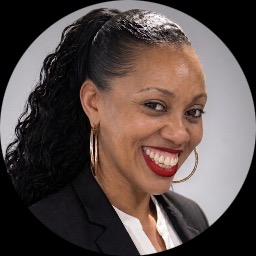
About Candace
Candace Johnson is a Licensed Professional Counselor (LPC) with 15 years of experience helping people manage stress, anxiety, grief, and relationship concerns. She provides steady, straightforward support for common struggles like low self-esteem, depression, addiction, and change-related stress. Her approach aims to make small changes that add up over time.
Candace draws on practical methods that fit each person's situation. She uses evidence-informed tools such as cognitive behavioral techniques and mindfulness to help people notice unhelpful thoughts and try different behaviors.
Background and approach
She also uses client-centered listening and emotionally-focused methods to strengthen connection and awareness in close relationships. Her background includes clinical work in psychiatric and crisis settings, offering experience with acute stress, crisis intervention, and behavioral health coordination. That hands-on experience shaped her calm, organized way of working with people under pressure.
She integrates what has worked in hospital and outpatient settings into everyday, usable strategies. Sessions focus on clear goals, concrete skills, and steady progress. People can expect conversations that are respectful and practical, with time set aside for learning coping skills and trying new approaches between sessions.
The aim is steady improvement rather than instant fixes. Candace also supports people dealing with caregiving stress, adoption and foster care concerns, body image, codependency, and midlife questions. She offers video calls, phone sessions, live chat, and text-based messaging to suit different schedules and needs.
How her approaches translate to online therapy
Client-Centered Therapy focuses on listening and building a trusting relationship. It helps when someone needs a safe space to talk through feelings and make their own choices. Cognitive Behavioral Therapy, or CBT, looks at the links between thoughts, feelings, and actions and teaches practical skills to change unhelpful patterns. It is often used for anxiety, depression, and stress management.The right approach is decided together. The therapist will ask about goals, daily life, and what has helped or not helped before. From there she tailors a mix of methods so the work fits the person's needs and preferences in a collaborative way.
Online therapy offers flexible ways to meet. Video calls let people use visual cues and deeper conversation. Phone sessions can fit a break at work or when bandwidth is limited. Live chat and text-based messaging are useful for shorter check-ins, jotting down skills, or keeping momentum between sessions. These options make it easier to fit counseling into busy lives and try different formats to see what works best.
Questions people ask
What concerns does she help with?
What is her therapeutic style like?
How much experience does she have?
What credentials and location are listed?
Which languages are offered and can international clients join?
What session formats are available?
How does payment work and what does it cost?
How do I begin working with her?
What this therapist works with
Also listed
- Addictions
- Adoption and foster care
- Anger management
- Body image
- Career difficulties
- Caregiver issues and stress
- Codependency
- Commitment issues
- Communication problems
- Compassion fatigue
- Coping with life changes
- Depression
- Divorce and separation
- Domestic violence
- Emptiness
- Family conflicts
- Forgiveness
- Guilt and shame
- Isolation / loneliness
- Jealousy
- LGBT
- Life purpose
- Midlife crisis
- Mood disorders
- Panic disorder and panic attacks
- Post-traumatic stress
- Prejudice and discrimination
- Relationship issues
- Seasonal Affective Disorder (SAD)
- Self esteem
- Self-harm
- Self-love
- Sexuality
- Social anxiety and phobia
- Trauma and abuse
- Women's issues
- Workplace issues
- Young adult issues
Therapeutic approaches
- Experience
- 15 years
- Licensed
- Georgia
- Languages
- English
We will earn a commission if you sign up through our link, at no cost to you.