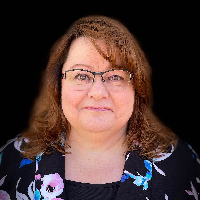
About Barbara
Barbara Parker is a Licensed Professional Counselor (LPC) based in Colorado with nine years of practice. She is a military veteran and has recent experience working in an inpatient program serving men transitioning from prison into community corrections. That work shaped her view of recovery and resilience and informs how she supports people facing addiction and trauma.
Barbara uses a person-centered style. She helps people decide what to focus on and follows their lead while offering tools and structure.
Background and approach
She believes change comes from challenging unhelpful thoughts so behavior and daily routines begin to shift. Sessions are collaborative and practical. Barbara does not give direct advice.
Instead she guides people through understanding their reactions and then builds a step-by-step plan to reduce distress and reach goals. She draws on approaches that include Acceptance and Commitment Therapy, cognitive behavioral techniques, mindfulness, motivational interviewing, and client-centered methods. Those methods are used to address anxiety, stress, addiction, grief, sleep problems, self-esteem, anger, and related concerns.
Her background working with people reentering the community gives her experience with strong ambivalence, complex trauma, and addictive behaviors. That experience translates into pacing sessions to match each person’s readiness to change and focusing on practical skills that fit everyday life. People seeking a straightforward, respectful therapist who listens first and teaches concrete skills may find her approach helpful.
Barbara aims to help clients move from feeling stuck to taking small, manageable steps forward.
Practical approaches for online therapy
Barbara draws on Acceptance and Commitment Therapy and Cognitive Behavioral Therapy in her online work. Acceptance and Commitment Therapy helps people notice difficult thoughts and feelings without getting stuck, then commit to actions that match their values. Cognitive Behavioral Therapy focuses on identifying unhelpful thinking patterns and testing small behavior changes to reduce anxiety and improve sleep and mood.Finding the right method is a team effort. She talks with each person about what they want to achieve and which tools feel most useful. Together they try approaches, adjust pacing, and pick techniques that match the person’s goals and daily life.
Online sessions use video calls, phone sessions, live chat, or text-based messaging to make care more flexible. Video calls let a person work face-to-face from wherever they are. Phone sessions can be easier when bandwidth is limited or when someone prefers not to be on camera. Live chat and text-based messaging work well for short check-ins, coaching-style guidance, and maintaining momentum between sessions. These options help fit therapy around work, caregiving, or other responsibilities.
Questions people ask
What concerns does she address?
What is her general approach in sessions?
How much clinical experience does she have?
What credentials and location apply?
Which languages are supported for sessions?
What session formats does she use?
How does payment and cost work?
How do I begin working with her?
What this therapist works with
Also listed
- ADHD
- Aging and geriatric issues
- Anger management
- Antisocial personality
- Attachment issues
- Avoidant personality
- Bipolar disorder
- Blended family issues
- Body image
- Career difficulties
- Caregiver issues and stress
- Coaching
- Codependency
- Commitment issues
- Communication problems
- Compassion fatigue
- Control issues
- Coping with life changes
- Coping with natural or human-caused disaster
- Depression
- Dissociation
- Divorce and separation
- Domestic violence
- Drug and alcohol addiction
- Emptiness
- Family conflicts
- Family problems
- Fertility issues
- First responder issues
- Forgiveness
- Grief
- Guilt and shame
- Hospice and end-of-life counseling
- Impulsivity
- Infidelity
- Intellectual disability
- Intimacy-related issues
- Isolation / loneliness
- Life purpose
- Men's issues
- Midlife crisis
- Mood disorders
- Multicultural concerns
- Obsessions, compulsions, and OCD
- Panic disorder and panic attacks
- Parenting issues
- Personality disorders
- Post-traumatic stress
- Process addiction (porn, exercise, gambling)
- Relationship issues
- Seasonal Affective Disorder (SAD)
- Self esteem
- Self-harm
- Self-love
- Sexual assault and abuse
- Sleeping disorders
- Social anxiety and phobia
- Traumatic brain injury
- Veteran and Armed Forces Issues
- Women's issues
- Workplace issues
Therapeutic approaches
- Experience
- 9 years
- Licensed
- Colorado
- Languages
- English
We will earn a commission if you sign up through our link, at no cost to you.