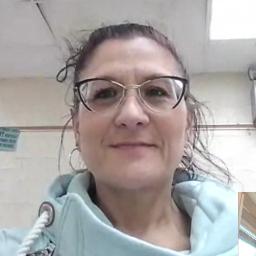
About Amy
Amy Montoya is a Licensed Professional Counselor (LPC) practicing in Colorado with 16 years of clinical experience. She focuses on helping people manage anxiety, depression, trauma, and relationship difficulties. She aims to treat everyone with respect, sensitivity, and compassion.
Before moving into outpatient counseling, Amy spent a decade working in a nursing home as a Social Services Director. That background gives her experience with caregiving stress, chronic illness, and the practical parts of life that affect mental health.
Background and approach
In sessions she adapts to each person’s needs. She listens first and then works with clients to set clear, realistic goals. Amy uses straightforward tools to help people notice unhelpful patterns and try different ways of coping.
She often draws from client-centered work to create a supportive space. Cognitive Behavioral Therapy techniques are used to address anxious and depressive thoughts. For trauma, she can include EMDR and elements from Dialectical Behavior Therapy when appropriate.
People come to Amy for a wide range of concerns including grief, parenting strain, identity questions related to LGBT issues, addiction, anger, body image, and coping with life changes. She also supports those facing adoption or foster care challenges and attachment or abandonment wounds. Sessions are practical and collaborative.
Amy helps people break big problems into small steps, try new skills between meetings, and track progress. Her approach aims to empower clients to make changes that fit their life and values.
How therapy approaches translate online
Amy commonly draws on Client-Centered Therapy, Cognitive Behavioral Therapy (CBT), and EMDR in her online work. Client-Centered Therapy focuses on listening and building trust so clients feel heard and respected; it helps people clarify values and goals. CBT looks at thoughts and behaviors and offers concrete exercises to reduce anxiety and depression by changing thinking patterns and practicing new habits. EMDR is used for processing traumatic memories through a structured protocol that can reduce distress tied to past events.Finding the right approach is a collaborative process. The therapist will begin by hearing your concerns and goals, then suggest strategies to try together. If one approach isn’t a good fit, adjustments are made so the work matches what you need and prefer.
Online formats include video calls, phone sessions, live chat, and text-based messaging. Video sessions allow face-to-face conversation and visual cues. Phone sessions can be easier when bandwidth is limited or when you prefer not to be on camera. Live chat and text messaging work well for brief check-ins, ongoing coaching, or people who communicate best in writing. These options make it easier to fit therapy into a busy life and to continue work between meetings.
Questions people ask
What kinds of issues does this therapist address?
How does this therapist approach therapy sessions?
What is the therapist's professional background?
Where is the therapist licensed and based?
Which languages are sessions offered in?
What session formats are available?
How does billing and cost work?
How do I begin working with this therapist?
What this therapist works with
Most often
- LGBT
- Family conflicts
- Trauma and abuse
Also listed
- Abandonment
- Addictions
- ADHD
- Adoption and foster care
- Aging and geriatric issues
- Anger management
- Antisocial personality
- Attachment issues
- Avoidant personality
- Bipolar disorder
- Blended family issues
- Body image
- Caregiver issues and stress
- Chronic pain, illness, and disability
- Coaching
- Codependency
- Compassion fatigue
- Coping with life changes
- Dependent personality
- Depression
- Dissociation
- Divorce and separation
- Domestic violence
- Eating disorders
- Family problems
- Fatherhood issues
- Forgiveness
- Gender dysphoria
- Grief
- Guilt and shame
- Intimacy-related issues
- Isolation / loneliness
- Men's issues
- Midlife crisis
- Mood disorders
- Narcissism
- Parenting issues
- Polyamory / non-monogamous relationships
- Post-traumatic stress
- Relationship issues
- Seasonal Affective Disorder (SAD)
- Self esteem
- Self-harm
- Self-love
- Sexuality
- Social anxiety and phobia
- Stress, Anxiety
- Visually impaired
- Women's issues
- Workplace issues
- Young adult issues
Therapeutic approaches
- Experience
- 16 years
- Licensed
- Colorado
- Languages
- English
We will earn a commission if you sign up through our link, at no cost to you.