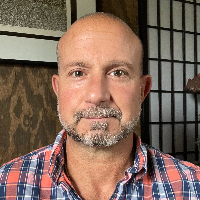
About Timothy
Timothy Welch is a Licensed Professional Clinical Counselor (LPCC) with 22 years of experience. He frames therapy as a collaborative process and aims to help people move past painful or confusing moments. He emphasizes respect for each person’s story and works to empower clients toward practical change.
Timothy started in community work and recovery settings before moving into independent practice. He has helped people facing addiction, trauma, grief, mood concerns, and anxiety, among other issues.
Background and approach
His background includes work in crisis intervention, rehabilitation programs, and group-based services. In sessions he blends straightforward conversation with practical tools. He uses approaches such as client-centered work, cognitive behavioral techniques, dialectical skills, emotionally-focused ideas, and existential questions to suit what each person needs.
He also offers coaching options that focus on accountability and daily steps between sessions. Timothy has written two books, and he makes worksheets and support materials available through a coaching platform and app. He can work with people who live in Ohio and accepts clients from other places as well.
Sessions may be covered by insurance for Ohio residents when applicable. People who choose him can expect a clinician who listens without judgment and helps set clear goals. He emphasizes learning from each person and tailoring methods rather than relying on a single approach.
The aim is steady progress on stress, anxiety, addiction, relationship strain, or life changes. For those ready to begin, he uses a matching and scheduling process so prospective clients can find a practical plan that fits their life.
How therapeutic approaches translate online
Client-centered work focuses on listening and understanding your experience. Online sessions let the therapist reflect your concerns, ask questions, and help you set goals that feel meaningful. Cognitive Behavioral Therapy, or CBT, looks at thinking and behavior patterns and introduces practical exercises to shift unhelpful habits; it can help with anxiety, stress, sleep, and mood by teaching specific skills you can practice between sessions. Dialectical Behavior Therapy, or DBT, emphasizes emotional regulation, distress tolerance, and interpersonal skills; those lessons can be taught through conversation and short exercises during remote sessions.Finding the right approach is part of the work. The therapist will collaborate with you to decide which methods match your needs, goals, and preferences. That may mean mixing approaches or trying different techniques until something fits.
Online therapy offers flexibility in how you connect. Video calls allow face-to-face conversation and visual cues. Phone sessions work well when you need lower bandwidth or a shorter check-in. Live chat and text-based messaging can be useful for quick support, ongoing problem-solving, or practicing skills in written form. These options make it easier to fit therapy into a busy life and to keep momentum between appointments.
Questions people ask
What concerns does he address?
What is his therapeutic style like?
How much clinical experience does he have?
What credentials and region are listed?
Are sessions offered in other languages or internationally?
Which session formats are available?
How is cost handled?
What do I do to begin?
What this therapist works with
Most often
Also listed
- Abandonment
- ADHD
- Adoption and foster care
- Anger management
- Antisocial personality
- Attachment issues
- Autism and Asperger Syndrome
- Avoidant personality
- Bipolar disorder
- Blended family issues
- Body image
- Career difficulties
- Caregiver issues and stress
- Chronic pain, illness, and disability
- Co-morbidity
- Coaching
- Codependency
- Commitment issues
- Communication problems
- Compassion fatigue
- Control issues
- Coping with life changes
- Coping with natural or human-caused disaster
- Dependent personality
- Depression
- Disruptive Mood Dysregulation Disorder (DMDD)
- Divorce and separation
- Drug and alcohol addiction
- Eating and food-related issues
- Eating disorders
- Emptiness
- Family conflicts
- Family of origin issues
- Family problems
- Fatherhood issues
- Fertility issues
- First responder issues
- Forgiveness
- Grief
- Guilt and shame
- Impulsivity
- Intimacy-related issues
- Isolation / loneliness
- Jealousy
- LGBT
- Life purpose
- Men's issues
- Midlife crisis
- Mood disorders
- Multicultural concerns
- Narcissism
- Obsessions, compulsions, and OCD
- Panic disorder and panic attacks
- Parenting issues
- Personality disorders
- Phobias
- Post-traumatic stress
- Postpartum depression
- Prejudice and discrimination
- Process addiction (porn, exercise, gambling)
- Relationship issues
- Seasonal Affective Disorder (SAD)
- Self-harm
- Self-love
- Sleeping disorders
- Smoking / vaping cessation
- Social anxiety and phobia
- Somatization
- Trauma and abuse
- Veteran and Armed Forces Issues
- Workplace issues
Therapeutic approaches
- Client-Centered Therapy
- Cognitive Behavioral Therapy (CBT)
- Dialectical Behavior Therapy (DBT)
- Emotionally-Focused Therapy (EFT)
- Existential Therapy
- Eye Movement Desensitization and Reprocessing (EMDR)
- Mindfulness Therapy
- Motivational Interviewing
- Narrative Therapy
- Solution-Focused Therapy
- Somatic Therapy
- Trauma-Focused Therapy
- Experience
- 22 years
- Licensed
- Ohio
- Languages
- English
We will earn a commission if you sign up through our link, at no cost to you.