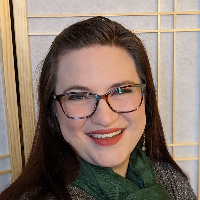
About Rebecca
Rebecca Preston is a Licensed Mental Health Counselor (LMHC) based in New York. She has eight years of clinical experience working with people facing addiction, mood challenges, and complex trauma. Rebecca brings a warm and approachable manner to sessions and likes to keep things simple and human.
Her background includes extensive work with substance use and the emotional and relational issues that often go with it. She has supported people with histories of complex trauma, including childhood attachment concerns, and those coping with anxiety, depression, and bipolar disorder.
Background and approach
Rebecca has also worked with people who experience personality-related challenges. Rebecca uses a client-centered, mindfulness-informed style. That means she focuses on what matters to the person in front of her and uses mindfulness exercises to help manage overwhelming feelings.
She combines this with practical tools from cognitive and solution-focused approaches when helpful. Sessions tend to be calm and direct, with space for humor and honesty. Rebecca emphasizes compassion for oneself as a starting point for change.
She views recovery and wellbeing as ongoing work and aims to walk alongside people as they make progress. People often turn to Rebecca for help with stress, anxiety, sleep problems, relationship strain, grief, or caregiving stress. She also supports those managing ADHD, chronic health challenges, body image concerns, and issues around attachment and abandonment.
Her work aims to be practical, steady, and rooted in everyday life.
Therapeutic approaches and how they work online
Attachment-based work focuses on how early relationships shape current patterns. It helps people understand trust, closeness, and distance in their relationships and can be useful for those who struggle with abandonment or attachment worries.Client-centered therapy puts the person’s experience first. The therapist listens closely, reflects what she hears, and follows the client’s pace so people feel understood and can explore what matters most to them.
Cognitive Behavioral Therapy (CBT) looks at thoughts and behaviors that keep distress going and teaches practical skills to change unhelpful patterns. It is often used for anxiety, low mood, and sleep problems.
Choosing an approach is collaborative. Rebecca will talk with each person about goals, preferences, and how they respond to different methods. Together they decide which ideas and tools to try and adjust them over time.
Online therapy offers flexibility in how people connect. Video calls let conversation and visual cues guide the work, phone sessions can be easier when a quieter or lower-bandwidth option is needed, and live chat or text-based messaging supports shorter check-ins or ongoing reflections between sessions. These options make it easier to fit therapy into busy lives while using the approaches above in practical ways.
Questions people ask
What types of concerns does she address?
What is her therapeutic style like?
How long has she worked in clinical practice?
Where is she licensed and based?
Are sessions offered in other languages?
Can people outside the U.S. work with her?
What session formats are available?
How are costs and starting therapy handled?
What this therapist works with
Also listed
- Abandonment
- ADHD
- Anger management
- Attachment issues
- Autism and Asperger Syndrome
- Avoidant personality
- Bipolar disorder
- Body image
- Caregiver issues and stress
- Chronic pain, illness, and disability
- Co-morbidity
- Codependency
- Commitment issues
- Communication problems
- Compassion fatigue
- Control issues
- Coping with life changes
- Coping with natural or human-caused disaster
- Dependent personality
- Depression
- Dissociation
- Domestic violence
- Drug and alcohol addiction
- Eating and food-related issues
- Emptiness
- Family conflicts
- Family of origin issues
- Family problems
- Grief
- Guilt and shame
- Impulsivity
- Isolation / loneliness
- LGBT
- Life purpose
- Mood disorders
- Multicultural concerns
- Obsessions, compulsions, and OCD
- Panic disorder and panic attacks
- Personality disorders
- Phobias
- Post-traumatic stress
- Process addiction (porn, exercise, gambling)
- Relationship issues
- Seasonal Affective Disorder (SAD)
- Self esteem
- Self-harm
- Self-love
- Sexual assault and abuse
- Sleeping disorders
- Smoking / vaping cessation
- Social anxiety and phobia
- Somatization
- Traumatic brain injury
- Trichotillomania
- Women's issues
- Workplace issues
- Young adult issues
Therapeutic approaches
- Experience
- 8 years
- Licensed
- New York
- Languages
- English
We will earn a commission if you sign up through our link, at no cost to you.