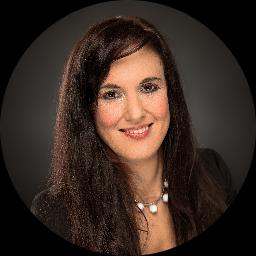
About Racheal
Racheal Pluim-Bergmann is a licensed clinical social worker with 12 years of experience in Wisconsin. She focuses on helping people facing stress, anxiety, depression, addiction, and trauma. Racheal aims to create a calm, steady space where clients can start to sort through what feels overwhelming.
She uses a straightforward, person-centered way of working. Sessions often begin with what feels most urgent and practical. Over time she helps clients build new coping skills and clearer communication habits that fit their daily life.
Background and approach
Racheal blends several evidence-informed approaches to match each person's needs. That can mean using cognitive behavioral techniques to shift unhelpful thinking, mindfulness practices to reduce reactivity, or skills from dialectical behavior therapy to manage intense emotions. For clients with traumatic memories, she also incorporates eye movement desensitization and reprocessing when appropriate.
Her work pays attention to relationships, identity, and life transitions. She supports people dealing with grief, intimacy concerns, body image, substance use, career stress, and compassion fatigue. Racheal also addresses related issues such as codependency, commitment worries, and communication problems.
Sessions are available through video calls, phone, live chat, or text messaging. Racheal aims to help clients set small, manageable goals and to practice new skills between visits. The approach is collaborative and paced to each person's readiness.
Therapeutic approaches and online care
Racheal commonly uses cognitive behavioral therapy and mindfulness therapy to help people notice unhelpful thinking, try new behaviors, and reduce overwhelm. CBT focuses on identifying and changing thought patterns that feed anxiety or depression, while mindfulness offers simple practices to steady attention and reduce reactivity.She also draws on dialectical behavior therapy skills when emotions feel intense or hard to manage. DBT skills teach concrete techniques for emotion regulation, distress tolerance, and clearer interpersonal communication. Together these approaches offer practical tools that can be practiced between sessions and adapted to daily life.
Finding the right approach is part of the work. Racheal collaborates with each person to choose and adjust methods based on goals, comfort, and what works in practice. She checks in about progress and makes changes as needed so therapy stays useful.
Online formats include video calls, phone sessions, live chat, and text-based messaging to match different needs. Video visits allow face-to-face conversation, phone calls can be easier when bandwidth is limited, live chat supports shorter check-ins, and text messaging helps with quick reflections or ongoing support between sessions. These options are meant to increase flexibility and make it easier to fit therapy into a busy life.
Questions people ask
What concerns does Racheal commonly address?
How would you describe her therapy style?
What is her professional background?
Where is she licensed and based?
Which languages are supported for sessions?
Can people outside the U.S. work with her?
What session formats does she offer and how do they work?
How is cost and beginning the process handled?
What this therapist works with
Also listed
- Abandonment
- Anger management
- Avoidant personality
- Body image
- Career difficulties
- Co-morbidity
- Coaching
- Codependency
- Commitment issues
- Communication problems
- Compassion fatigue
- Control issues
- Coping with life changes
- Coping with natural or human-caused disaster
- Depression
- Drug and alcohol addiction
- Eating and food-related issues
- Eating disorders
- Emptiness
- Family conflicts
- Forgiveness
- Grief
- Guilt and shame
- Hoarding
- Impulsivity
- Intimacy-related issues
- Isolation / loneliness
- Jealousy
- LGBT
- Life purpose
- Midlife crisis
- Money and financial issues
- Mood disorders
- Obsessions, compulsions, and OCD
- Panic disorder and panic attacks
- Paranoia
- Personality disorders
- Phobias
- Post-traumatic stress
- Process addiction (porn, exercise, gambling)
- Relationship issues
- Seasonal Affective Disorder (SAD)
- Self esteem
- Self-harm
- Self-love
- Sexual assault and abuse
- Sleeping disorders
- Social anxiety and phobia
- Veteran and Armed Forces Issues
- Women's issues
- Workplace issues
Therapeutic approaches
- Experience
- 12 years
- Licensed
- Wisconsin
- Languages
- English
We will earn a commission if you sign up through our link, at no cost to you.