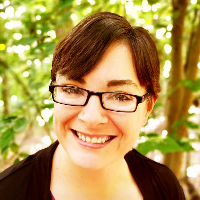
About Monique
Monique Rourk, LMHC, LPC, helps people facing anxiety, stress, addiction, and trauma. She emphasizes practical steps to reduce distress and improve daily coping. Sessions are relaxed and goal-focused, with the client guiding what to work on.
Monique takes a down-to-earth approach. She listens without judgment and meets people where they are. Clients take an active role in setting goals and choosing whether to focus on talking through feelings or building specific skills.
Background and approach
Her work combines client-centered care with cognitive-behavioral techniques. That means conversations about how thoughts affect feelings, along with skill-building for coping and emotional stability. She also uses mindfulness practices and motivational interviewing when useful.
Monique draws on two decades of counseling experience. She holds a Master’s degree in Mental Health Counseling and maintains professional licenses as a Licensed Mental Health Counselor and a Licensed Professional Counselor. She practices in Michigan.
In sessions she helps people create safety, increase self-awareness, and develop practical tools for everyday life. Common topics include depression, relationship and intimacy concerns, grief, bipolar challenges, ADHD, and issues related to addiction and trauma. She also supports people dealing with attachment, abandonment, body image, codependency, and communication problems.
Therapy with Monique aims to reduce self-defeating patterns and build a more satisfying life. Work is tailored to each person, blending empathetic conversation with concrete steps toward change.
How client-centered and CBT work well online
Client-Centered Therapy focuses on listening, empathy, and following the person’s lead to help them feel heard and understood. It helps when someone needs a calm space to sort through feelings and decide what matters most to them.Cognitive Behavioral Therapy, or CBT, looks at how thoughts influence feelings and behaviors and teaches concrete skills to change unhelpful patterns. It is useful for anxiety, stress, and mood concerns because it offers step-by-step tools people can practice between sessions.
Dialectical Behavior Therapy skills bring attention to emotional regulation, distress tolerance, and clearer communication. Those skills can reduce intense reactions and improve daily functioning when moods or relationships feel unstable.
Finding the right approach is part of the process. The therapist works together with each person to choose methods that match their goals, needs, and preferences. That may mean trying talk-based sessions at first, then adding skill practice or mindfulness exercises as things progress.
Online formats make it easier to fit therapy into a busy life. Video calls allow face-to-face work for skill practice and deeper conversation. Phone sessions can require less bandwidth and suit shorter check-ins. Live chat and text-based messaging help when someone needs brief support between sessions or a flexible way to share thoughts. These options provide practical flexibility and multiple ways to keep progress moving forward.
Questions people ask
What concerns does Monique commonly address?
What is her general therapy style?
How much experience does she have?
What are her credentials and where does she practice?
Which languages are supported for sessions?
What session formats are available online?
How are costs structured?
How do I begin working with her?
What this therapist works with
Also listed
- Abandonment
- ADHD
- Anger management
- Attachment issues
- BDSM, kink, and alternative sex culture
- Bipolar disorder
- Body image
- Co-morbidity
- Codependency
- Commitment issues
- Communication problems
- Control issues
- Coping with life changes
- Dependent personality
- Depression
- Divorce and separation
- Domestic violence
- Drug and alcohol addiction
- Emptiness
- Family conflicts
- Forgiveness
- Grief
- Guilt and shame
- Impulsivity
- Infidelity
- Intimacy-related issues
- Isolation / loneliness
- Jealousy
- Life purpose
- Mood disorders
- Obsessions, compulsions, and OCD
- Panic disorder and panic attacks
- Paranoia
- Personality disorders
- Phobias
- Polyamory / non-monogamous relationships
- Post-traumatic stress
- Process addiction (porn, exercise, gambling)
- Relationship issues
- Seasonal Affective Disorder (SAD)
- Self esteem
- Self-harm
- Self-love
- Sexual assault and abuse
- Sexuality
- Smoking / vaping cessation
- Social anxiety and phobia
- Veteran and Armed Forces Issues
- Women's issues
Therapeutic approaches
- Experience
- 20 years
- Licensed
- Michigan, Washington
- Languages
- English
We will earn a commission if you sign up through our link, at no cost to you.