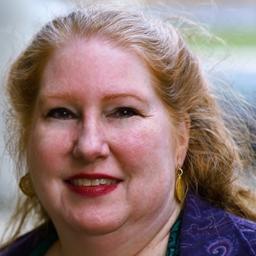
About Margaret
Margaret Johnston is a licensed mental health counselor who focuses on helping people manage stress and anxiety. She listens closely and helps clients name what they are feeling. She offers a calm, steady presence for people who feel stuck by past hurts or current pressures.
Margaret earned a master’s degree in Clinical Psychotherapy from the University of North Florida in 2013 and completed a nine-month Clinical Pastoral Education internship focused on deep listening.
Background and approach
She has worked in trauma-support roles, including time with the Wounded Warrior Talk program, and brings 11 years of clinical experience to her work. Her approach centers on meeting people where they are. She uses person-centered methods to reflect feelings, validate unmet needs, and help clients define personal meaning and goals.
She also draws on acceptance and commitment ideas and cognitive tools to reduce unhelpful patterns and increase valued action. Margaret is attentive to cultural and identity concerns and treats matters of race, gender, and sexual identity as important when they matter to a client.
She works openly with issues related to trauma, grief, relationship and intimacy struggles, eating and body image, ADHD and bipolar mood concerns, and more specific topics such as abandonment, blended family issues, and fertility stress. Clients describe practical conversations about options, planning, and purpose. Sessions can include slow, trauma-supportive pacing when needed.
Margaret aims to be inclusive, affirming, and nonjudgmental while guiding each person toward clearer choices and more manageable day-to-day coping.
How her approaches translate to online therapy
Acceptanc e and Commitment Therapy helps people notice painful thoughts without getting stuck in them and choose actions that match their values. It is useful for anxiety, stress, and for moving through life changes.Attachment-Based Therapy focuses on how early relationships shape current patterns of closeness and trust. This can help people who struggle with intimacy, fear of abandonment, or repeated relationship difficulties.
Finding the right approach is part of the work. The therapist will talk with each person about goals, needs, and preferences and then try methods that fit. That means sessions can shift over time to focus more on coping skills, meaning and values, or relational patterns depending on what helps most.
Online therapy offers several practical benefits. Video calls let the therapist and client see each other's expressions for more nuanced conversation. Phone sessions use less bandwidth and can be easier during a busy day. Live chat and text-based messaging are useful for brief check-ins, bridging gaps between sessions, or when someone prefers writing to speaking. These options make it easier to fit therapy into a routine and to continue care across locations.
Questions people ask
What concerns does she address?
What is her therapy style like?
How long has she been practicing?
What credentials and location apply?
Are sessions offered in other languages?
Which session formats are available?
How does payment and cost work?
How do I begin working with her?
What this therapist works with
Most often
Also listed
- Abandonment
- ADHD
- BDSM, kink, and alternative sex culture
- Bipolar disorder
- Blended family issues
- Body image
- Caregiver issues and stress
- Communication problems
- Control issues
- Coping with life changes
- Depression
- Divorce and separation
- Domestic violence
- Eating and food-related issues
- Eating disorders
- Family of origin issues
- Fertility issues
- First responder issues
- Forgiveness
- Gender dysphoria
- Guilt and shame
- Hoarding
- Impulsivity
- Infidelity
- Intimacy-related issues
- Isolation / loneliness
- LGBT
- Life purpose
- Mood disorders
- Multicultural concerns
- Obsessions, compulsions, and OCD
- Polyamory / non-monogamous relationships
- Post-traumatic stress
- Prejudice and discrimination
- Relationship issues
- Seasonal Affective Disorder (SAD)
- Self esteem
- Self-love
- Sexual assault and abuse
- Sexuality
- Social anxiety and phobia
- Traumatic brain injury
- Women's issues
- Young adult issues
Therapeutic approaches
- Experience
- 11 years
- Licensed
- Florida
- Languages
- English
We will earn a commission if you sign up through our link, at no cost to you.