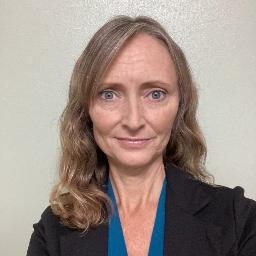
About Maggie
Maggie Johnson is a Licensed Professional Clinical Counselor (LPCC) who helps people manage stress, anxiety, depression, and mood concerns. She offers straightforward support for relationship strain, substance concerns, grief, and trouble sleeping. Her tone is practical and focused on small, useful steps people can try between sessions.
Maggie draws on cognitive behavioral ideas to help people notice patterns in thoughts and actions. She pairs that with a client-centered attitude that keeps the person’s goals central.
Background and approach
Sessions aim to be collaborative and paced to the person’s needs. She also uses mindfulness practices to help reduce reactivity and bring attention into the present moment. Motivational interviewing methods are part of how she supports change when someone feels stuck or unsure about next steps.
Maggie has nine years of experience and works with concerns that include trauma and abuse, addiction, anger, and eating or body image issues. She helps people cope with life changes like separation, caregiving stress, or career transitions. In sessions she focuses on clear tools and simple experiments people can try between meetings.
Conversations are meant to be direct, respectful, and aimed at building practical skills. People who value a collaborative, results-oriented approach often find this style helpful.
Approaches that guide online care
Client-Centered Therapy focuses on listening without judgment and following the person’s priorities. It helps when someone wants support that respects their pace and personal goals. Cognitive Behavioral Therapy, or CBT, looks at the links between thoughts, feelings, and behaviors and teaches concrete skills to change unhelpful patterns; it is often used for anxiety, depression, and sleep or eating concerns.Finding the right approach is part of the work. The therapist will talk with the client about their needs, goals, and preferences and then choose methods together. That collaborative process can include trying a technique for a few sessions and adjusting based on what helps most.
Online formats include video calls, phone sessions, live chat, and text-based messaging. Video calls let people use visual cues and longer conversations. Phone sessions can be easier when lower bandwidth or no camera is preferred. Live chat or text messaging can work well for brief check-ins, quick tools, or ongoing encouragement between longer sessions. These options add flexibility so sessions fit into work, caregiving, or busy schedules.
Questions people ask
What kinds of concerns does Maggie address?
How would you describe her therapeutic style?
What is her clinical background and experience?
What credentials and location are listed?
Which languages are available for sessions?
What session formats are offered online?
How are costs handled?
How do I start working with her?
What this therapist works with
Most often
- Stress, Anxiety
- Anger management
- Self esteem
Also listed
- Abandonment
- Addictions
- Aging and geriatric issues
- Antisocial personality
- Attachment issues
- Bipolar disorder
- Body image
- Career difficulties
- Caregiver issues and stress
- Communication problems
- Compassion fatigue
- Control issues
- Coping with life changes
- Depression
- Divorce and separation
- Domestic violence
- Drug and alcohol addiction
- Eating and food-related issues
- Eating disorders
- Emptiness
- Family conflicts
- Family of origin issues
- Family problems
- Forgiveness
- Grief
- Guilt and shame
- Hospice and end-of-life counseling
- Impulsivity
- Intimacy-related issues
- Isolation / loneliness
- Jealousy
- Life purpose
- Midlife crisis
- Money and financial issues
- Mood disorders
- Multicultural concerns
- Narcissism
- Obsessions, compulsions, and OCD
- Panic disorder and panic attacks
- Paranoia
- Parenting issues
- Personality disorders
- Phobias
- Polyamory / non-monogamous relationships
- Post-traumatic stress
- Prejudice and discrimination
- Process addiction (porn, exercise, gambling)
- Relationship issues
- Seasonal Affective Disorder (SAD)
- Self-harm
- Self-love
- Sexual assault and abuse
- Sexuality
- Sleeping disorders
- Smoking / vaping cessation
- Social anxiety and phobia
- Trauma and abuse
- Women's issues
- Workplace issues
- Young adult issues
Therapeutic approaches
- Experience
- 9 years
- Licensed
- Minnesota
- Languages
- English
We will earn a commission if you sign up through our link, at no cost to you.