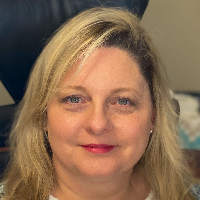
About Gina
Gina Helms is a Licensed Professional Counselor (LPC) practicing in Alabama. She draws on several practical approaches to help people manage stress, anxiety, addictions, grief, and other life challenges. Gina keeps sessions down-to-earth and focused on skills people can use between appointments.
Her approach is warm and nonjudgmental. She centers care on the person's values and goals and uses methods that match what the person needs. Gina combines cognitive behavioral techniques with acceptance-oriented work and relational approaches to address both thoughts and emotions.
Background and approach
Gina has four years of clinical experience working with a range of concerns. Her background includes helping people with trauma and abuse, mood concerns such as depression and bipolar, and co-occurring substance use issues. She also addresses relationship strains, parenting stress, sleeping problems, and challenges tied to self-esteem and body image.
In sessions she often uses skills from dialectical behavior work to improve emotion regulation and distress tolerance. Attachment-focused ideas guide work on relationship patterns and communication problems. Treatment plans are tailored so the person learns skills that suit their daily life.
Gina offers a straightforward, compassionate style intended to help people make steady progress. She aims to help clients find clearer direction, calmer routines, and more manageable ways to face life changes and losses.
How Gina’s approaches translate to online therapy
Acceptance and Commitment Therapy (ACT) helps people clarify what matters to them and take practical steps toward those values while learning to live with uncomfortable thoughts and feelings. ACT is useful for anxiety, avoidance, and coping with life changes. Cognitive Behavioral Therapy (CBT) focuses on identifying patterns of thinking and behavior that maintain distress and teaching specific exercises to change them, which can help with panic, insomnia, and mood problems. Attachment-Based Therapy looks at how past relationships shape current patterns and communication, offering ways to build more stable connections and improve relationship struggles.Choosing the right approach is a collaborative process. The therapist will talk with the person about goals, preferences, and daily routines, and then try methods that fit. Sessions can shift over time so the plan matches changing needs and progress.
Online formats include video calls, phone sessions, live chat, and text-based messaging. Video is good for deeper conversational work and skill coaching, phone sessions can fit a break at work or lower bandwidth, chat or text are useful for short check-ins and ongoing skills practice. These options make it easier to attend sessions from different locations and to pick the style that best fits a person’s schedule and comfort.
Questions people ask
What concerns does Gina commonly address?
How would you describe her therapy style?
What is her clinical background?
What credentials and location are listed?
Which languages are sessions offered in?
What session formats are available?
How does billing and cost work?
How do I begin working with her?
What this therapist works with
Also listed
- Abandonment
- Aging and geriatric issues
- Anger management
- Attachment issues
- Avoidant personality
- Bipolar disorder
- Blended family issues
- Body image
- Caregiver issues and stress
- Codependency
- Communication problems
- Control issues
- Coping with life changes
- Coping with natural or human-caused disaster
- Dependent personality
- Depression
- Divorce and separation
- Domestic violence
- Drug and alcohol addiction
- Family conflicts
- Family of origin issues
- Family problems
- First responder issues
- Forgiveness
- Grief
- Guilt and shame
- Impulsivity
- LGBT
- Life purpose
- Midlife crisis
- Money and financial issues
- Mood disorders
- Narcissism
- Obsessions, compulsions, and OCD
- Panic disorder and panic attacks
- Parenting issues
- Personality disorders
- Phobias
- Post-traumatic stress
- Postpartum depression
- Process addiction (porn, exercise, gambling)
- Relationship issues
- Seasonal Affective Disorder (SAD)
- Self esteem
- Self-harm
- Self-love
- Sexual assault and abuse
- Sleeping disorders
- Social anxiety and phobia
- Somatization
- Veteran and Armed Forces Issues
- Women's issues
- Workplace issues
Therapeutic approaches
- Experience
- 4 years
- Licensed
- Alabama
- Languages
- English
We will earn a commission if you sign up through our link, at no cost to you.