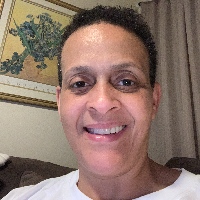
About Eugenia
Eugenia Davis is a Licensed Clinical Mental Health Counselor with more than 22 years in the mental health field. She earned a Master of Science in Mental Health Counseling from St. Thomas University and holds an LCMHC credential in North Carolina.
Eugenia works with people facing stress, anxiety, addictions, depression, trauma, and related concerns. Her background includes a long history supporting clients with mood disorders, personality challenges, and substance use issues.
Background and approach
She has experience across many settings, including work with people involved in foster care and criminal justice systems. Her training and career have given her a broad view of how life events and relationships affect mental health. In sessions Eugenia listens first and asks practical questions to clarify what matters most.
She helps clients notice patterns, test small changes, and find ways to cope when things feel overwhelming. Her style blends straightforward talk with tools that target thoughts, feelings, and behavior. Eugenia uses approaches such as client-centered methods, cognitive behavioral techniques, emotionally-focused ideas, mindfulness, and motivational strategies.
She draws from these to tailor work to each person’s needs rather than following one strict method. People who choose her often want clear, down-to-earth conversations and steps they can try between sessions. She aims to be an objective voice who helps clients see different perspectives and begin shifting stuck patterns.
Eugenia practices in North Carolina and speaks English. She accepts international clients and offers video, phone, live chat, and messaging formats to fit various schedules and situations.
How her approaches translate to online care
Client-Centered Therapy focuses on listening, acceptance, and helping people set the pace of their own work. It’s useful when someone needs a nonjudgmental space to talk through feelings and make sense of their options. Cognitive Behavioral Therapy (CBT) looks at the link between thoughts, feelings, and actions and offers concrete strategies to shift unhelpful patterns. CBT can help with anxiety, stress, and mood symptoms by teaching practical skills to test and change thinking. Emotionally-Focused Therapy (EFT) helps people understand and name emotions and how those feelings shape relationships and reactions. It can be helpful for intimacy-related issues and persistent patterns in close relationships.Choosing an approach is a collaborative process. The therapist will talk with the client about goals, preferences, and what has worked or not worked in the past. Together they decide which methods to try and adjust the plan over time based on progress and feedback.
Online formats available include video calls, phone sessions, live chat, and text-based messaging. Video is good when face-to-face interaction helps. Phone sessions work well when bandwidth or a quieter spot is needed. Live chat and messaging offer shorter check-ins or ongoing support between sessions. These options give flexibility for scheduling, reduce travel time, and make it easier to fit therapy into busy routines.
Questions people ask
What concerns does Eugenia commonly address?
What is her therapeutic style like?
How much clinical experience does she have?
What are her credentials and where is she located?
Can I have sessions in another language or from another country?
Which session formats does she offer?
How are costs and billing handled?
What should I do to begin therapy?
What this therapist works with
Most often
- Stress, Anxiety
- Addictions
- Relationship issues
Also listed
- Abandonment
- ADHD
- Adoption and foster care
- Anger management
- Antisocial personality
- Attachment issues
- Bipolar disorder
- Blended family issues
- Cancer
- Caregiver issues and stress
- Chronic pain, illness, and disability
- Co-morbidity
- Codependency
- Commitment issues
- Communication problems
- Control issues
- Coping with life changes
- Coping with natural or human-caused disaster
- Dependent personality
- Depression
- Disruptive Mood Dysregulation Disorder (DMDD)
- Divorce and separation
- Domestic violence
- Drug and alcohol addiction
- Emptiness
- Family conflicts
- Family problems
- Forgiveness
- Grief
- Guilt and shame
- Impulsivity
- Infidelity
- Intimacy-related issues
- Isolation / loneliness
- Jealousy
- LGBT
- Life purpose
- Midlife crisis
- Money and financial issues
- Mood disorders
- Multicultural concerns
- Narcissism
- Obsessions, compulsions, and OCD
- Panic disorder and panic attacks
- Paranoia
- Parenting issues
- Phobias
- Post-traumatic stress
- Postpartum depression
- Pregnancy and childbirth
- Process addiction (porn, exercise, gambling)
- Seasonal Affective Disorder (SAD)
- Self esteem
- Self-harm
- Sexual assault and abuse
- Social anxiety and phobia
- Trauma and abuse
- Traumatic brain injury
- Trichotillomania
- Veteran and Armed Forces Issues
- Women's issues
- Workplace issues
- Young adult issues
Therapeutic approaches
- Experience
- 22 years
- Licensed
- North Carolina
- Languages
- English
We will earn a commission if you sign up through our link, at no cost to you.