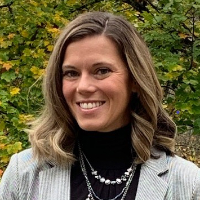
About Erika
Erika Rucker is a Licensed Professional Counselor (LPC) who offers a practical, person-focused approach to therapy. She centers sessions on the relationship with each person and on clear steps that help manage stress and anxiety. Erika works from West Virginia and uses plain, direct language so people can understand options and next steps.
Erika draws from several approaches to match what a person needs. She uses Cognitive Behavioral Therapy to help identify unhelpful thoughts and change patterns.
Background and approach
She also uses Dialectical Behavior Therapy skills for emotion regulation and coping during intense moments. Attachment-based and emotionally focused ideas guide how she looks at relationships and intimacy-related struggles. Her experience covers concerns such as stress, anxiety, depression, grief, trauma and abuse, and addictions.
She also supports people dealing with eating and sleeping problems, parenting strain, career stress, and issues with self-esteem or anger. Additional focus areas include attachment and abandonment concerns, blended family dynamics, chronic illness and caregiver stress, and substance-related problems. Sessions are offered in English and delivered online by video calls, phone sessions, live chat, or text-based messaging.
Costs vary with location and therapist availability and use a subscription that can be canceled at any time. To begin, a person selects the Start Therapy button, completes a short matching questionnaire, and schedules a time that fits their needs. Erika aims to create a straightforward, dependable process so people can build skills and make steady progress.
She encourages asking questions up front and shaping sessions around real-life goals.
Therapeutic approaches adapted for online work
Erika commonly uses Cognitive Behavioral Therapy and Dialectical Behavior Therapy in online sessions. CBT focuses on identifying unhelpful thoughts and changing behaviors, which helps with anxiety, depression, sleep problems, and some eating concerns. DBT provides specific skills for managing intense emotions, improving distress tolerance, and handling relationship conflicts.She also draws on Attachment-Based and Emotionally-Focused ideas to look at patterns in relationships and intimacy. Those approaches help people understand how early bonds or current attachment styles affect trust, closeness, and communication in relationships. Deciding which approach to use is collaborative - the therapist and client review concerns, try techniques, and adjust based on what feels most helpful.
Online formats include video calls, phone sessions, live chat, and text-based messaging. Video allows face-to-face interactions for skill coaching and guided exercises. Phone sessions can be a good fit when bandwidth is low or a shorter check-in is needed. Live chat and text messaging make regular check-ins and brief skills practice easier to fit into a busy day. These options aim to make therapy more flexible and accessible while keeping work focused on practical change.
Questions people ask
What kinds of problems does she help with?
What is her therapeutic style like?
What experience does she bring?
What are her credentials and where is she located?
Can I have sessions in another language or from another country?
What session formats are available?
How is cost handled for sessions?
How do I begin working with her?
What this therapist works with
Most often
- Stress, Anxiety
- Relationship issues
- Trauma and abuse
Also listed
- Abandonment
- Addictions
- ADHD
- Anger management
- Attachment issues
- Blended family issues
- Body image
- Cancer
- Career difficulties
- Caregiver issues and stress
- Chronic pain, illness, and disability
- Co-morbidity
- Commitment issues
- Communication problems
- Compassion fatigue
- Control issues
- Coping with life changes
- Coping with natural or human-caused disaster
- Depression
- Disruptive Mood Dysregulation Disorder (DMDD)
- Divorce and separation
- Drug and alcohol addiction
- Eating and food-related issues
- Eating disorders
- Emptiness
- Family conflicts
- Family of origin issues
- Family problems
- Fertility issues
- First responder issues
- Forgiveness
- Grief
- Guilt and shame
- Hospice and end-of-life counseling
- Impulsivity
- Infidelity
- Intimacy-related issues
- Isolation / loneliness
- Jealousy
- Life purpose
- Men's issues
- Midlife crisis
- Mood disorders
- Obsessions, compulsions, and OCD
- Panic disorder and panic attacks
- Parenting issues
- Post-traumatic stress
- Postpartum depression
- Pregnancy and childbirth
- Prejudice and discrimination
- Process addiction (porn, exercise, gambling)
- Seasonal Affective Disorder (SAD)
- Self esteem
- Self-harm
- Self-love
- Sleeping disorders
- Smoking / vaping cessation
- Social anxiety and phobia
- Somatization
- Women's issues
- Workplace issues
- Young adult issues
Therapeutic approaches
- Attachment-Based Therapy
- Client-Centered Therapy
- Cognitive Behavioral Therapy (CBT)
- Dialectical Behavior Therapy (DBT)
- Emotionally-Focused Therapy (EFT)
- Hypnotherapy
- Mindfulness Therapy
- Motivational Interviewing
- Narrative Therapy
- Solution-Focused Therapy
- Somatic Therapy
- Trauma-Focused Therapy
- Internal Family Systems
- Experience
- 3 years
- Licensed
- West Virginia
- Languages
- English
We will earn a commission if you sign up through our link, at no cost to you.