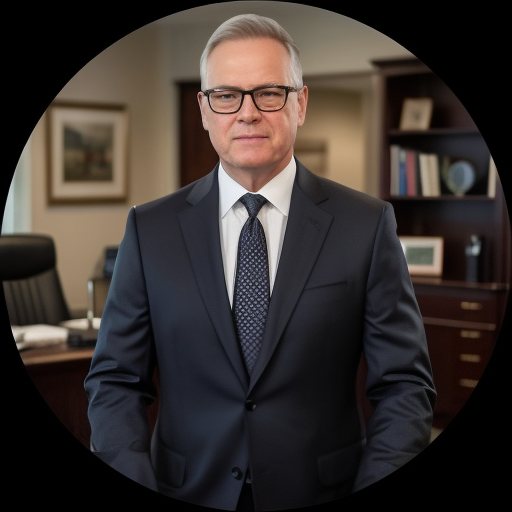
About Edward
Dr. Edward Varner greets people who are anxious, stressed, or struggling to make sense of big life changes. He offers a calm presence and straightforward guidance to help people sort priorities and learn practical ways to feel steadier day to day.
He has three decades of counseling experience and uses that background to help people with anxiety, depression, relationship concerns, trauma, and mood challenges. He brings a direct, respectful style and works to understand each person’s values and goals before suggesting steps forward.
Background and approach
In sessions he focuses on clear, usable tools. That can mean learning ways to change unhelpful thoughts, building skills for emotional regulation, or practicing actions that match someone’s values. Sessions are conversational and structured so people leave with something to try between meetings.
Dr. Varner draws on several well-known approaches, including Acceptance and Commitment Therapy, cognitive behavior techniques, and attachment-informed work. He combines those methods to fit the problem at hand rather than following a single formula.
He offers work in English and Japanese and provides online formats such as video calls, phone sessions, live chat, and text messaging. People who want to begin can use the site’s matching steps to connect and schedule a first meeting.
Based in Tennessee, he holds the LPC-MHSP credential and has spent many years helping people rebuild routines, handle grief and loss, address intimacy and body-image concerns, and cope with co-occurring challenges like substance use or ADHD.
How therapeutic approaches translate to online care
Acceptance and Commitment Therapy helps people notice their thoughts and choose actions that match their values instead of getting stuck. It is useful for anxiety, depression, and life transitions because it teaches present-moment skills and small, value-driven steps. Cognitive Behavioral Therapy focuses on the links between thoughts, feelings, and behaviors and gives concrete techniques to change unhelpful patterns that maintain anxiety or low mood. Attachment-Based Therapy looks at early relationship patterns and how they affect current connections and self-regulation, which can help with intimacy issues, codependency, and trust after trauma.Finding the right approach is part of the work together. The therapist will talk with each person about their needs, goals, and preferences and then suggest a mix of methods that fit. That collaboration helps tailor the plan so it feels useful and realistic for daily life.
Online sessions are offered through video calls, phone sessions, live chat, and text-based messaging to provide flexibility. Video sessions are good for face-to-face conversation and skill practice. Phone calls can be easier when bandwidth is limited or a shorter check-in fits into a break at work. Live chat and messaging work well for brief reflections, written coaching, or ongoing support between longer appointments.
Questions people ask
What kinds of problems does he help with?
How would you describe his therapy style?
What is his clinical background?
Where is he located and what credential does he hold?
Which languages are sessions offered in?
What session formats are available online?
How does payment and cost work?
What are the steps to begin working together?
What this therapist works with
Most often
- Relationship issues
- Trauma and abuse
- Self esteem
Also listed
- ADHD
- Anger management
- Attachment issues
- Autism and Asperger Syndrome
- BDSM, kink, and alternative sex culture
- Bipolar disorder
- Blended family issues
- Body image
- Career difficulties
- Co-morbidity
- Coaching
- Codependency
- Communication problems
- Coping with life changes
- Coping with natural or human-caused disaster
- Depression
- Dissociation
- Divorce and separation
- Domestic violence
- Drug and alcohol addiction
- Eating disorders
- Emptiness
- Family conflicts
- Family of origin issues
- Family problems
- Fatherhood issues
- First responder issues
- Gender dysphoria
- Grief
- Guilt and shame
- Impulsivity
- Infidelity
- Intimacy-related issues
- LGBT
- Life purpose
- Men's issues
- Mood disorders
- Multicultural concerns
- Narcissism
- Obsessions, compulsions, and OCD
- Panic disorder and panic attacks
- Parenting issues
- Personality disorders
- Post-traumatic stress
- Process addiction (porn, exercise, gambling)
- Self-harm
- Self-love
- Sex addiction
- Sexual assault and abuse
- Sexual dysfunction
- Sexuality
- Stress, Anxiety
- Traumatic brain injury
- Veteran and Armed Forces Issues
- Workplace issues
- Young adult issues
Therapeutic approaches
- Experience
- 30 years
- Licensed
- Tennessee
- Languages
- English, Japanese
We will earn a commission if you sign up through our link, at no cost to you.