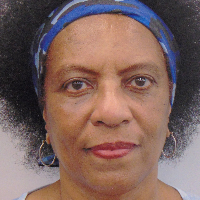
About Ednina
Ednina Welters is an Illinois Licensed Clinical Professional Counselor (LCPC) who blends client-centered care with practical, skills-based strategies. She focuses on helping people manage anxiety, stress, depression, addictions, relationship and intimacy concerns, and life transitions. Her style is collaborative and down-to-earth, aimed at making therapy feel like a step-by-step process rather than a lecture.
Ednina draws on Cognitive Behavioral Therapy to help people notice and shift unhelpful thoughts and behaviors.
Background and approach
She also uses Acceptance and Commitment Therapy approaches to clarify values and build tolerance for uncomfortable feelings. Elements of Dialectical Behavior Therapy appear in her work when teaching emotion regulation and coping skills. Her background includes 11 years of professional experience in Illinois.
That experience has exposed her to a wide range of concerns such as trauma and abuse, grief, bipolar disorder, ADHD, and career stress. She has also worked with people facing chronic health issues, caregiver strain, attachment and commitment difficulties, and challenges with self-esteem and body image.
In sessions she aims to create a caring, respectful environment where clients set clear goals and practice new ways of coping. Therapy often includes skill practice between meetings, straightforward feedback, and gradual steps toward more flexible thinking and behavior. She emphasizes practical techniques that fit into daily life.
Ednina offers therapy in English and provides video calls, phone sessions, live chat, and text-based messaging. Clients begin by completing a short matching questionnaire and then scheduling sessions according to her availability.
How therapeutic approaches translate to online care
Acceptance and Commitment Therapy helps people clarify what matters to them and take small, values-driven steps even when feelings are uncomfortable. It supports work on anxiety, life changes, and long-term goals. Cognitive Behavioral Therapy focuses on noticing unhelpful thoughts and testing new behaviors to reduce distress and change routines; it is commonly used for anxiety, depression, and coping skills training.Finding the right approach is part of the work together. The therapist will discuss goals, preferences, and daily routines, then try techniques that match those needs. Sessions are collaborative - clients and therapist check what helps and adjust the plan as they go.
Online sessions are offered by video call, phone, live chat, or text-based messaging to make therapy more flexible. Video calls allow face-to-face conversation and visual cues. Phone sessions are useful when bandwidth is limited or a simpler check-in works best. Live chat or text messaging can support shorter check-ins, skill reminders, and ongoing tracking between longer sessions. These formats make it easier to fit therapy into work, school, caregiving, or medical schedules and allow consistent practice of new skills across daily life.
Questions people ask
What kinds of concerns does she work with?
What is her therapy style like?
How much experience does she have?
What are her credentials and where is she located?
In which languages are sessions offered?
What session formats are available?
How does cost and payment work?
How do I get started with scheduling?
What this therapist works with
Most often
- Stress, Anxiety
- Addictions
- Anger management
Also listed
- Abandonment
- ADHD
- Aging and geriatric issues
- Antisocial personality
- Attachment issues
- Autism and Asperger Syndrome
- Avoidant personality
- Bipolar disorder
- Body image
- Career difficulties
- Caregiver issues and stress
- Chronic pain, illness, and disability
- Co-morbidity
- Codependency
- Commitment issues
- Communication problems
- Control issues
- Coping with life changes
- Dependent personality
- Depression
- Disruptive Mood Dysregulation Disorder (DMDD)
- Domestic violence
- Drug and alcohol addiction
- Eating and food-related issues
- Emptiness
- Family conflicts
- Family of origin issues
- Family problems
- Gender dysphoria
- Grief
- Guilt and shame
- Impulsivity
- Infidelity
- Intellectual disability
- Intimacy-related issues
- Isolation / loneliness
- Life purpose
- Men's issues
- Money and financial issues
- Mood disorders
- Narcissism
- Obsessions, compulsions, and OCD
- Panic disorder and panic attacks
- Paranoia
- Phobias
- Post-traumatic stress
- Postpartum depression
- Process addiction (porn, exercise, gambling)
- Relationship issues
- Seasonal Affective Disorder (SAD)
- Self esteem
- Self-harm
- Smoking / vaping cessation
- Social anxiety and phobia
- Trauma and abuse
- Trichotillomania
- Women's issues
- Workplace issues
- Young adult issues
Therapeutic approaches
- Experience
- 11 years
- Licensed
- Illinois
- Languages
- English
We will earn a commission if you sign up through our link, at no cost to you.