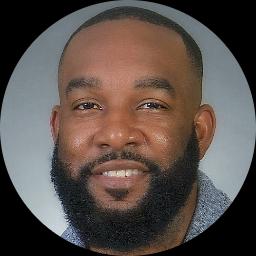
About Brandon
Dr. Brandon Lowe is a licensed clinical mental health counselor (LCMHC) based in North Carolina with 18 years of experience. He focuses on helping people who are dealing with stress, anxiety, addictions, trauma and abuse, low self-esteem, and major life changes.
He aims to make the first steps toward change feel doable and supportive. He uses straightforward conversation to understand what matters most to each person. Sessions are shaped around practical goals such as reducing panic, managing cravings, or building confidence.
Background and approach
He adapts pacing and techniques to match the client’s needs and comfort level. Brandon draws from a mix of approaches, including client-centered methods that prioritize the person’s experience, cognitive behavioral techniques that address thoughts and behaviors, and dialectical behavior strategies for managing strong emotions.
He also uses motivational interviewing to build readiness for change and psychodynamic ideas to look at how past patterns influence current struggles. Over nearly two decades of practice he has worked in settings that involved addictions and complex trauma concerns. That background informs how he helps people develop coping skills and realistic plans for recovery and stability.
He treats every person with respect and sensitivity. Therapy with him typically focuses on clear, actionable steps. Whether the immediate aim is reducing anxiety, staying sober, or getting through a life transition, sessions center on what the client wants to accomplish and how to get there.
Online approaches for managing anxiety and change
Dr. Lowe uses cognitive behavioral therapy and client-centered methods as core parts of his online work. CBT focuses on identifying and shifting unhelpful thoughts and behaviors to reduce anxiety and improve coping with stress and addictions. Client-centered therapy prioritizes the person’s experience, letting the therapist follow the client’s lead and build practical goals together.He also incorporates dialectical behavior therapy skills when strong emotions or intense urges are present. DBT techniques teach concrete skills for emotion regulation, distress tolerance, and better interpersonal communication, which can be useful for trauma recovery and addiction recovery.
Finding the right mix of approaches is a collaborative process. The therapist will talk with each person about their goals, try techniques, and adjust the plan based on what works. Clients are invited to give feedback so sessions stay focused on real-life improvements.
Online therapy is offered through video calls, phone sessions, live chat, and text-based messaging to increase flexibility. Video calls allow face-to-face conversation and skill coaching, while phone sessions use less bandwidth and can fit a break during the day. Live chat and text messaging are suited to quick check-ins, shorter updates, or when typing feels easier than speaking. These options make it simpler to maintain steady work on anxiety, addictions, and life transitions even with a busy schedule.
Questions people ask
What kinds of concerns does he help with?
What is his therapy style like?
How long has he been practicing?
What are his credentials and location?
Which languages are supported and can international clients connect?
What session formats are available?
How is cost handled?
How do I begin working with him?
What this therapist works with
Also listed
- Abandonment
- Aging and geriatric issues
- Antisocial personality
- Autism and Asperger Syndrome
- Chronic pain, illness, and disability
- Co-morbidity
- Communication problems
- Coping with life changes
- Coping with natural or human-caused disaster
- Disruptive Mood Dysregulation Disorder (DMDD)
- Divorce and separation
- Domestic violence
- Drug and alcohol addiction
- Eating and food-related issues
- Emptiness
- Family of origin issues
- Family problems
- Fatherhood issues
- Forgiveness
- Guilt and shame
- Hoarding
- Impulsivity
- Infidelity
- Intellectual disability
- Isolation / loneliness
- Jealousy
- Life purpose
- Men's issues
- Midlife crisis
- Money and financial issues
- Mood disorders
- Multicultural concerns
- Narcissism
- Obsessions, compulsions, and OCD
- Panic disorder and panic attacks
- Paranoia
- Personality disorders
- Phobias
- Polyamory / non-monogamous relationships
- Post-traumatic stress
- Prejudice and discrimination
- Self esteem
- Self-harm
- Self-love
- Sex addiction
- Sexual assault and abuse
- Sexual dysfunction
- Sexuality
- Smoking / vaping cessation
- Social anxiety and phobia
- Veteran and Armed Forces Issues
- Women's issues
- Young adult issues
Therapeutic approaches
- Experience
- 18 years
- Licensed
- North Carolina
- Languages
- English
We will earn a commission if you sign up through our link, at no cost to you.