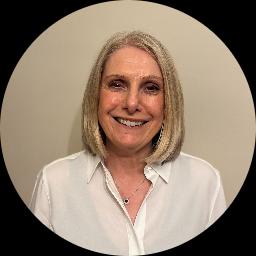
About Amanda
Amanda Brady is a therapeutic counsellor registered with the British Association for Counselling and Psychotherapy (BACP). She works with people who feel overwhelmed by stress, anxiety or low mood and helps them find clearer ways to cope. Her style is straightforward and practical, aimed at making the first steps feel manageable.
She draws on attachment-based ideas to look at how relationships shape current worries. She uses client-centred listening so people can speak at their own pace and feel heard.
Background and approach
Cognitive behavioural techniques are used to identify unhelpful thinking and test small changes in day-to-day life. Amanda has five years of experience working with a wide range of concerns. These include depression, anxiety, relationship difficulties, parenting strain, ADHD and addiction issues.
She also supports people who have experienced trauma or emotional abuse and those dealing with grief or body image problems. Sessions focus on practical strategies and honest conversation. Amanda aims to help people build on their strengths and try new ways of coping.
She keeps goals simple and adapts work to each person’s situation. Her approach combines short-term tools with deeper reflection when needed. That might mean learning different thinking habits, working through attachment patterns, or talking about past experiences that still affect day-to-day life.
People are guided to set realistic steps and notice small progress over time.
How Amanda uses approaches online
Amanda uses attachment-based work to look at how early and current relationships affect wellbeing. This helps when anxiety or relationship worries keep repeating and when someone wants to understand patterns that feel familiar.She also uses client-centred counselling, which means she listens openly and follows the person’s pace. That approach is helpful for people who need space to talk without pressure and want the therapist to reflect what they say before planning next steps.
Finding the right approach is a shared task. Amanda will discuss goals and preferences and suggest whether a focus on thinking habits, relationship patterns or trauma work feels best. Decisions are made together and reviewed as work progresses.
Online formats include video calls, phone sessions, live chat and text messaging. Video calls are useful when visual contact helps the conversation. Phone sessions are a good fit when bandwidth is limited or when a shorter check-in suits a busy day. Chat and messaging can work well for steady support between sessions or for people who prefer typing to speaking. These options make therapy more flexible and easier to fit into everyday life.
Questions people ask
What kinds of issues does Amanda help with?
What is Amanda's therapeutic style?
How much experience does she have?
What credential does Amanda hold and where is she based?
Which languages and international work are supported?
What session formats are available?
How are costs handled?
How do I begin working with Amanda?
What this therapist works with
Most often
- Stress, Anxiety
- Relationship issues
- Self esteem
Also listed
- Abandonment
- Addictions
- ADHD
- Anger management
- Attachment issues
- Autism and Asperger Syndrome
- Blended family issues
- Body image
- Career difficulties
- Caregiver issues and stress
- Coaching
- Commitment issues
- Communication problems
- Compassion fatigue
- Control issues
- Coping with life changes
- Depression
- Divorce and separation
- Domestic violence
- Drug and alcohol addiction
- Eating and food-related issues
- Eating disorders
- Emptiness
- Family conflicts
- Family of origin issues
- Family problems
- Fatherhood issues
- Fertility issues
- Forgiveness
- Grief
- Guilt and shame
- Impulsivity
- Intimacy-related issues
- Isolation / loneliness
- LGBT
- Life purpose
- Men's issues
- Midlife crisis
- Money and financial issues
- Mood disorders
- Multicultural concerns
- Narcissism
- Obsessions, compulsions, and OCD
- Panic disorder and panic attacks
- Parenting issues
- Phobias
- Post-traumatic stress
- Postpartum depression
- Pregnancy and childbirth
- Process addiction (porn, exercise, gambling)
- Self-harm
- Self-love
- Sex addiction
- Sexual assault and abuse
- Sexuality
- Sleeping disorders
- Social anxiety and phobia
- Trauma and abuse
- Women's issues
- Workplace issues
- Young adult issues
Therapeutic approaches
- Experience
- 5 years
- Licensed
- Languages
- English
We will earn a commission if you sign up through our link, at no cost to you.