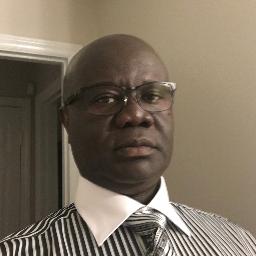
About Agyenim
Dr. Agyenim Akuamoah-Boateng is a Licensed Clinical Mental Health Counselor (LCMHC) based in North Carolina. He brings 23 years of experience in mental health and substance use counseling.
He focuses on helping people manage stress and anxiety and on practical steps for recovery and daily functioning. He has worked with clients facing depression, trauma and abuse, grief, and addiction. He also assists people dealing with sleep problems, anger, self-esteem, and career transitions.
Background and approach
His practice includes attention to ADHD, bipolar mood concerns, and relationship or intimacy-related issues. Dr. Akuamoah-Boateng draws on widely used approaches such as Acceptance and Commitment Therapy (ACT), Cognitive Behavioral Therapy (CBT), Dialectical Behavior Therapy (DBT), Attachment-Based Therapy, and Client-Centered Therapy.
In sessions he aims to teach skills people can use between meetings and to align actions with what matters to them. He has long experience helping people with overlapping medical, mental health, and substance use needs, and with recovery skills for those seeking abstinence from alcohol or drugs. He emphasizes integrated care when multiple issues are present.
Clients can expect a straightforward, goal-focused style that balances practical strategies with personal reflection. He invites collaboration on goals, pacing, and the kinds of tools that feel most useful for daily life.
Therapeutic approaches and online options
Acceptance and Commitment Therapy (ACT) focuses on helping people notice unhelpful thoughts and move toward actions tied to their values. It can be useful for anxiety, trauma, and when a person wants more consistent motivation. Cognitive Behavioral Therapy (CBT) looks at the links between thoughts, feelings, and behavior and teaches practical techniques to change patterns that increase distress. CBT is often used for anxiety, depression, sleep problems, and anger.Choosing the right approach is a team effort. The therapist will talk with each person about their goals, what has helped before, and what feels doable. Together they adjust methods over time so sessions stay relevant and useful for real-life change.
Online formats include video calls, phone sessions, live chat, and text-based messaging. Video calls allow face-to-face conversation and skill practice, phone sessions can fit a break at work or require less bandwidth, live chat and messaging work well for shorter check-ins or when writing feels easier. These options make it simpler to match therapy to a person's schedule and daily needs.
Questions people ask
What kinds of concerns does this therapist address?
How would you describe his therapy style?
What experience does he bring to sessions?
What credentials and region are listed for this therapist?
Which languages and international options are available?
What session formats does he offer?
How is cost handled for sessions?
How do I begin working with him?
What this therapist works with
Also listed
- Abandonment
- ADHD
- Aging and geriatric issues
- Anger management
- Attachment issues
- Avoidant personality
- Bipolar disorder
- Body image
- Career difficulties
- Caregiver issues and stress
- Co-morbidity
- Coaching
- Codependency
- Communication problems
- Compassion fatigue
- Coping with life changes
- Coping with natural or human-caused disaster
- Depression
- Disruptive Mood Dysregulation Disorder (DMDD)
- Domestic violence
- Drug and alcohol addiction
- Emptiness
- Family conflicts
- Family problems
- Fatherhood issues
- Forgiveness
- Grief
- Guilt and shame
- Impulsivity
- Infidelity
- Intimacy-related issues
- Isolation / loneliness
- LGBT
- Life purpose
- Men's issues
- Midlife crisis
- Mood disorders
- Multicultural concerns
- Narcissism
- Obsessions, compulsions, and OCD
- Panic disorder and panic attacks
- Phobias
- Post-traumatic stress
- Postpartum depression
- Process addiction (porn, exercise, gambling)
- Relationship issues
- Self esteem
- Self-love
- Sex addiction
- Sleeping disorders
- Social anxiety and phobia
- Veteran and Armed Forces Issues
- Workplace issues
- Young adult issues
Therapeutic approaches
- Acceptance and Commitment Therapy (ACT)
- Attachment-Based Therapy
- Client-Centered Therapy
- Cognitive Behavioral Therapy (CBT)
- Dialectical Behavior Therapy (DBT)
- Emotionally-Focused Therapy (EFT)
- Gottman Method
- Jungian Therapy
- Mindfulness Therapy
- Motivational Interviewing
- Narrative Therapy
- Psychodynamic Therapy
- Solution-Focused Therapy
- Trauma-Focused Therapy
- Experience
- 23 years
- Licensed
- North Carolina
- Languages
- English
We will earn a commission if you sign up through our link, at no cost to you.