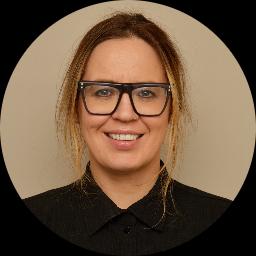
About Sarah
Sarah Gensmantel is a Person-Centred (Integrative) counsellor, psychotherapist and life coach based in the United Kingdom. She brings four years of practice to online work and supports adults and young people through a wide range of emotional difficulties including anxiety and stress. Sarah blends talking therapy with optional holistic tools such as breathwork, meditation and mindfulness when these suit a person’s needs.
She explains these practices simply and offers them only when they feel helpful.
Background and approach
Sessions can be short term or longer term depending on what someone wants. Her background in education gave her experience in pastoral care and safeguarding, and that work shaped how she responds to people who feel overwhelmed or emotionally unsafe. She has supported clients with trauma, PTSD, depression, low self-worth, loss and grief, addiction, and recovery from sexual abuse and rape.
Sarah places the therapeutic relationship at the centre of her practice. She aims to be warm, open and non-judgemental so people can feel understood and at ease. She listens to both what is said and what may be harder to name, and works at a pace that feels right for each person.
Practical coping strategies are offered alongside reflective conversation. Together the counsellor and client explore what is happening and develop insight, while also building day-to-day tools to manage symptoms and navigate life changes.
Online approaches that focus on relationships and day-to-day change
Attachment-based work looks at how early relationships shape current feelings and patterns. It helps people understand why they react in certain ways and builds new ways of relating to themselves and others.Client-centred therapy puts the person's experience first. The counsellor listens without judgement and follows the client's pace, which can be helpful for anxiety, low self-worth and coping after loss.
Cognitive behavioural therapy, or CBT, focuses on identifying unhelpful thoughts and behaviours and replacing them with practical alternatives. It is often used for anxiety, depression and sleep or eating difficulties.
Finding the right approach is part of the process. The therapist will work collaboratively to decide which methods fit best with a person's goals, needs and preferences. Sessions can combine talking, reflective work and practical exercises tailored to how someone wants to work.
Online sessions are offered as video calls, phone sessions, live chat or text-based messaging to provide flexibility. Video calls are useful for face-to-face conversation, phone sessions can work well when bandwidth is limited, and messaging or live chat suit shorter check-ins or people who prefer writing. These options make it easier to fit therapy around work, family or other commitments while keeping a consistent therapeutic pathway.
Questions people ask
What concerns does Sarah commonly help with?
What is her therapeutic style like?
How much experience does she have?
What credentials and location are listed?
Which languages and international arrangements are available?
What session formats does she offer?
How are costs handled for sessions?
How do I begin working with her?
What this therapist works with
Most often
Also listed
- Abandonment
- Addictions
- ADHD
- Anger management
- Attachment issues
- Bipolar disorder
- Body image
- Cancer
- Career difficulties
- Coaching
- Commitment issues
- Communication problems
- Compassion fatigue
- Control issues
- Coping with life changes
- Coping with natural or human-caused disaster
- Depression
- Dissociation
- Domestic violence
- Drug and alcohol addiction
- Eating disorders
- Emptiness
- Family conflicts
- Family problems
- Forgiveness
- Guilt and shame
- Impulsivity
- Intimacy-related issues
- Isolation / loneliness
- Jealousy
- LGBT
- Life purpose
- Midlife crisis
- Mood disorders
- Obsessions, compulsions, and OCD
- Panic disorder and panic attacks
- Paranoia
- Parenting issues
- Post-traumatic stress
- Process addiction (porn, exercise, gambling)
- Relationship issues
- Seasonal Affective Disorder (SAD)
- Self esteem
- Self-harm
- Self-love
- Sleeping disorders
- Social anxiety and phobia
- Women's issues
- Workplace issues
- Young adult issues
Therapeutic approaches
- Experience
- 4 years
- Licensed
- Languages
- English
We will earn a commission if you sign up through our link, at no cost to you.