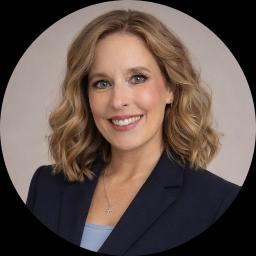
About Tracie
Tracie Diamond is a Licensed Professional Counselor and Licensed Mental Health Counselor with nine years of experience. She helps people manage anxiety, stress, addiction, depression, grief, and trauma. Her approach is warm and straightforward, focused on practical steps people can use day to day.
She draws on Cognitive Behavioral Therapy and Dialectical Behavior Therapy along with mindfulness techniques. Sessions often include noticing unhelpful thoughts, learning emotion regulation skills, and practicing small behavioral changes.
Background and approach
Tracie works with each person to set clear, doable goals and track progress. Her background includes clinical work in multiple states and settings, which shaped a flexible and direct style. She aims to offer respect and steady support while people work through difficult moments.
That steady presence is paired with tools for coping and making change. Tracie pays attention to areas that commonly come up alongside anxiety, such as sleep trouble, substance use, relationship strain, parenting stress, and workplace overwhelm. She also addresses issues like body image, chronic illness, shame, and boundary problems when those concerns are part of a person's life.
Sessions are offered in English and organized around what a person wants to change. Treatment plans are adapted to individual needs and updated as progress is made. The goal is to leave each session with a clear next step that feels practical and achievable.
How her approaches translate to online therapy
Client-Centered Therapy focuses on listening and meeting people where they are. The therapist creates a respectful space so clients can talk through worries and choose goals that matter to them. Cognitive Behavioral Therapy, or CBT, looks at thought patterns and behaviors. It helps people learn concrete skills to ease anxiety, change habits, and improve sleep and mood. Dialectical Behavior Therapy, or DBT, emphasizes emotion regulation and distress tolerance skills. It can be useful for overwhelming emotions, strong mood shifts, and improving relationships.Choosing the right approach is a collaborative process. The therapist will talk with each person about their goals and try methods that fit those needs. Together they will adjust techniques and priorities as progress is made, aiming for practical steps that feel right for the individual.
Online therapy lets people access these approaches through video calls, phone sessions, live chat, or text-based messaging. Video sessions are good for a full conversation and visual cues. Phone sessions can be easier when bandwidth is limited or a shorter check-in is needed. Live chat or text messaging works well for quick reflections, homework check-ins, and ongoing support between sessions. These options offer flexibility to fit therapy into work, parenting, or caregiving schedules while keeping the focus on useful skills and steady progress.
Questions people ask
What kinds of problems does she help with?
What is her therapy style like?
How much clinical experience does she have?
What credentials and location are listed?
Which languages and international options are available?
What session formats does she offer?
How does cost and billing work?
How do I begin working with her?
What this therapist works with
Most often
- Stress, Anxiety
- Addictions
- Relationship issues
Also listed
- Abandonment
- ADHD
- Anger management
- Bipolar disorder
- Blended family issues
- Body image
- Career difficulties
- Chronic pain, illness, and disability
- Coaching
- Codependency
- Communication problems
- Compassion fatigue
- Coping with life changes
- Coping with natural or human-caused disaster
- Depression
- Dissociation
- Divorce and separation
- Domestic violence
- Drug and alcohol addiction
- Eating disorders
- Emptiness
- Family conflicts
- Forgiveness
- Grief
- Guilt and shame
- Hoarding
- Hospice and end-of-life counseling
- LGBT
- Life purpose
- Parenting issues
- Post-traumatic stress
- Postpartum depression
- Self esteem
- Self-harm
- Self-love
- Sexual assault and abuse
- Sleeping disorders
- Trauma and abuse
- Veteran and Armed Forces Issues
- Workplace issues
- Young adult issues
Therapeutic approaches
- Experience
- 9 years
- Licensed
- Alaska, Iowa
- Languages
- English
We will earn a commission if you sign up through our link, at no cost to you.