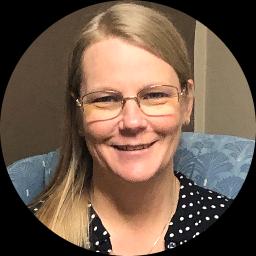
About Rebecca
Rebecca Cook is a licensed clinical social worker who focuses on practical, compassionate care. She uses straightforward talk and active listening to help people manage stress and anxiety. Rebecca keeps sessions goal-oriented and grounded in everyday life.
With eight years of experience, she works with people facing trauma, grief, depression, and life transitions. Rebecca believes clients are the experts on their own stories and builds on existing strengths. She helps people identify small, manageable steps to feel steadier day to day.
Background and approach
Her approach blends client-centered listening with skill-based tools. Rebecca introduces techniques from cognitive behavioral therapy and mindfulness to change unhelpful thinking and build calm. Motivational interviewing and solution-focused methods help set clear short-term goals and keep momentum moving forward.
Sessions cover practical concerns like workplace stress, relationship strain, addiction, caregiver burnout, and self-esteem. Rebecca also assists people dealing with adoption and foster care issues, attachment concerns, aging and end-of-life questions, and the emotional impacts of loss or disaster. She uses plain language and concrete strategies rather than clinical jargon.
Starting therapy is treated as a partnership. Rebecca works at a pace set by each person and checks in often about what feels useful. People meet by video, phone, live chat, or text messaging depending on what works best for them.
Approach-driven online care for anxiety and life stress
Rebecca often draws on cognitive behavioral therapy, which focuses on identifying and changing unhelpful thoughts and behaviors. CBT can help with anxiety, low mood, and patterns that keep problems going by teaching practical coping skills and new ways of thinking.She also uses mindfulness therapy to help people notice thoughts and bodily reactions without judgment. Mindfulness practices can reduce reactivity to stress and support calmer responses in daily life. Client-centered therapy is a core part of her practice too, which means sessions begin with listening closely and following each person's priorities rather than imposing a fixed plan.
Choosing the right approach is part of the work together. Rebecca collaborates with each person to figure out which methods match their needs, goals, and preferences, and she adjusts strategies over time as progress and challenges emerge.
Online formats include video calls, phone sessions, live chat, and text-based messaging. Video lets people work face to face when that helps, phone sessions can be easier when bandwidth is limited, live chat works for shorter check-ins, and messaging supports ongoing reflection between appointments. These options aim to make therapy more flexible and easier to fit into a busy life.
Questions people ask
What concerns does she help with?
What is her therapeutic style like?
How much experience does she have?
What are her credentials and location?
Are sessions offered in other languages or internationally?
Which session formats are available?
How much do sessions cost?
How do I begin working with her?
What this therapist works with
Most often
Also listed
- Abandonment
- Addictions
- Adoption and foster care
- Aging and geriatric issues
- Attachment issues
- Blended family issues
- Career difficulties
- Caregiver issues and stress
- Communication problems
- Compassion fatigue
- Control issues
- Coping with life changes
- Coping with natural or human-caused disaster
- Depression
- Divorce and separation
- Domestic violence
- Family conflicts
- Family problems
- Forgiveness
- Guilt and shame
- Hospice and end-of-life counseling
- Infidelity
- Isolation / loneliness
- LGBT
- Life purpose
- Mood disorders
- Multicultural concerns
- Post-traumatic stress
- Relationship issues
- Self esteem
- Sexual assault and abuse
Therapeutic approaches
- Experience
- 8 years
- Licensed
- Missouri
- Languages
- English
We will earn a commission if you sign up through our link, at no cost to you.