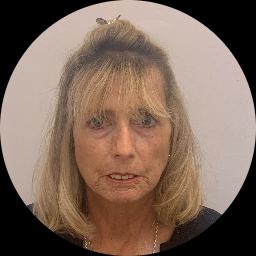
About Phillippa
Phillippa Stacy helps people who are struggling with stress, anxiety, grief, anger and depression. She also supports those facing relationship difficulties, addiction concerns, trauma and issues with intimacy. Phillippa works in a direct, down-to-earth way that aims to help people feel more able to make choices in their lives.
Pillippa draws on nine years of practice and a background in humanistic and integrative counselling. She holds a BA (Hons) in Humanistic and Integrative Counselling and is a BACP Therapist - Registered Member MBACP.
Background and approach
Her training and experience inform a client-centred style that values honesty and respect. In sessions she focuses on what people do and think day to day. She helps clients spot unhelpful cycles and try different actions.
Phillippa uses practical tools from cognitive behavioural approaches alongside therapies that attend to feelings and attachment patterns. She also speaks from lived experience of managing an incurable degenerative autoimmune condition. That personal perspective shapes her empathy and understanding of long-term health challenges and the emotional strain they can bring.
Her work is collaborative. Phillippa aims to help people update old patterns, improve communication, and regain a sense of control. She supports clients to build skills for coping, decision-making and moving forward in life.
Therapeutic approaches and online options
Acceptance and Commitment Therapy (ACT) helps people notice unhelpful thoughts without getting stuck in them and focuses on values-based action to move life forward. Cognitive Behavioural Therapy (CBT) aims to identify and change thinking and behaviour patterns that contribute to anxiety, low mood or unhelpful habits. Attachment-Based Therapy looks at how early relationships shape current patterns and can help when difficulties with closeness or communication cause distress.Finding the right approach is part of the work. Phillippa will talk with each person about their goals and preferences and agree together which methods to try. That collaborative process lets therapy be adapted as things change or new needs appear.
Online therapy offers flexible ways to meet. Video calls allow face-to-face conversation when visual cues help. Phone sessions work when bandwidth is limited or when a shorter check-in is needed. Live chat and text-based messaging suit people who prefer writing or need to fit therapy around a busy schedule. These options make it easier to keep continuity and fit therapy into everyday life.
Questions people ask
What concerns does Phillippa commonly address?
What is her therapeutic style like?
How much experience does she have?
What credentials and location are relevant?
Which languages are sessions offered in?
What session formats are available?
How are costs handled?
How do I start working with her?
What this therapist works with
Most often
- Stress, Anxiety
- Relationship issues
- Grief
Also listed
- Addictions
- Anger management
- Attachment issues
- Bipolar disorder
- Body image
- Career difficulties
- Caregiver issues and stress
- Chronic pain, illness, and disability
- Communication problems
- Compassion fatigue
- Control issues
- Coping with life changes
- Depression
- Dissociation
- Divorce and separation
- Eating disorders
- Family conflicts
- First responder issues
- Forgiveness
- Guilt and shame
- Hoarding
- Hospice and end-of-life counseling
- Impulsivity
- Intimacy-related issues
- Isolation / loneliness
- Life purpose
- Obsessions, compulsions, and OCD
- Panic disorder and panic attacks
- Paranoia
- Parenting issues
- Personality disorders
- Phobias
- Post-traumatic stress
- Self esteem
- Self-harm
- Sleeping disorders
- Trauma and abuse
- Veteran and Armed Forces Issues
- Women's issues
- Young adult issues
Therapeutic approaches
- Experience
- 9 years
- Licensed
- Languages
- English
We will earn a commission if you sign up through our link, at no cost to you.