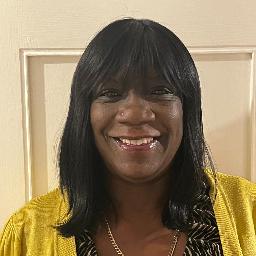
About Moira
Moira McCarthy is a counsellor with 18 years' experience based in the United Kingdom. She works individually with adults and runs group therapy sessions. Her practice focuses on anxiety alongside stress, grief, depression and related concerns.
She uses a person-centred outlook to help people talk through what matters most to them. Cognitive behavioural techniques are used when helpful to spot unhelpful thoughts and try new ways of responding. Emotionally-Focused and Attachment-based ideas also shape how she thinks about relationships and emotional patterns.
Background and approach
Moira brings workshop experience from local authorities and workplaces to her therapy work. She is a member of the British Association for Counselling and Psychotherapy, abbreviated as BACP, and also holds NCPS. These credentials are part of her professional background.
Supervision is a regular part of her practice so she can reflect on her work and keep to ethical standards set by BACP. That helps her stay thoughtful about each person's needs and limits. Sessions tend to focus on practical steps, clearer thinking and recovering a sense of choice.
Parents worried about anxiety, sleeping problems, or coping with life changes will find plain language and calm pacing in sessions. The aim is steady, manageable progress rather than quick fixes.
How Moira’s approaches translate to online therapy
Acceptance and Commitment Therapy, or ACT, helps people notice painful thoughts and feelings without getting stuck in them and focus on actions that matter. It is often useful for anxiety, stress and coping with life changes. Cognitive Behavioural Therapy, or CBT, looks at unhelpful thought patterns and tests practical behaviour changes to reduce symptoms like worry or low mood. Attachment-Based Therapy pays attention to how early relationship experiences shape current emotional responses and can help with issues around trust, abandonment or relationship difficulties.Choosing the right approach is part of the work together. Moira will talk with each person about their goals and preferences and suggest which methods to try. That decision is collaborative and can be adjusted as things progress.
Online formats offer flexible ways to keep therapy going. Video calls let people read facial expressions and have a face-to-face feel. Phone sessions need less bandwidth and can fit into a short break. Live chat or text-based messaging can suit someone who prefers to write, who wants shorter check-ins, or who cannot be on camera. These options make it easier to fit therapy into everyday life while still using ACT, CBT and attachment ideas in practical ways.
Questions people ask
What problems does she support people with?
What is her therapeutic style like?
How much experience does she have?
What credentials and where is she based?
Which languages and international options are available?
What session formats does she offer?
How does charging and payment work?
How do I begin working with her?
What this therapist works with
Most often
Also listed
- Abandonment
- Addictions
- Adoption and foster care
- Anger management
- Attachment issues
- Bipolar disorder
- Blended family issues
- Body image
- Cancer
- Career difficulties
- Caregiver issues and stress
- Chronic pain, illness, and disability
- Communication problems
- Control issues
- Coping with life changes
- Depression
- Domestic violence
- Family conflicts
- Family problems
- Guilt and shame
- Immigration issues
- Infidelity
- Isolation / loneliness
- Jealousy
- Multicultural concerns
- Obsessions, compulsions, and OCD
- Parenting issues
- Personality disorders
- Phobias
- Postpartum depression
- Prejudice and discrimination
- Relationship issues
- Self esteem
- Self-harm
- Self-love
- Sexual assault and abuse
- Sexuality
- Sleeping disorders
- Social anxiety and phobia
- Women's issues
- Workplace issues
- Young adult issues
Therapeutic approaches
- Experience
- 18 years
- Licensed
- Languages
- English
We will earn a commission if you sign up through our link, at no cost to you.