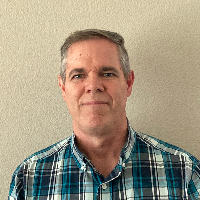
About Michael
Michael Ecuyer is a licensed clinical social worker (LCSW) based in Texas with 33 years of experience. He approaches therapy with a practical, coaching-style focus to help people move past obstacles and toward goals. He often works with stress and anxiety, relationship struggles, and life changes that feel overwhelming.
He uses straightforward conversation to identify what is getting in the way. Sessions look at patterns in relationships, sources of stress, and habits that keep problems stuck.
Background and approach
He draws on several approaches to fit the person in front of him rather than forcing a single method. Clients can expect a mix of short-term problem-solving and deeper work on old patterns. Cognitive behavioral strategies are used to change unhelpful thoughts and behaviors.
Emotionally-focused ideas help people understand and improve important relationships. Mindfulness and psychodynamic perspectives are also part of his toolkit, depending on the issue. Mindfulness offers simple ways to manage intense feelings.
Psychodynamic work looks at how early experiences shape current reactions. Michael emphasizes practical steps and clear goals. He also supports people facing parenting pressures, grief, addiction concerns, caregiver stress, and career challenges.
Sessions are offered by video call, phone, live chat, or text-based messaging to fit different schedules and needs.
How therapeutic approaches translate to online care
Michael combines Client-Centered Therapy and Cognitive Behavioral Therapy in online sessions. Client-Centered Therapy means conversations that follow the person’s concerns and emphasize understanding and empathy, which can help people feel heard and clarify goals. Cognitive Behavioral Therapy focuses on identifying unhelpful thoughts and behaviors and practicing new responses, which is useful for anxiety, stress, and mood concerns.Finding the right approach is a joint process. The therapist will work with each person to choose methods that match their goals, needs, and preferences. That collaborative planning includes checking in and adjusting techniques as progress is made.
Online formats include video calls, phone sessions, live chat, and text-based messaging to offer flexibility. Video calls allow face-to-face conversation and visual cues. Phone sessions can be a lower-bandwidth option or fit into a busy day. Live chat and text messaging support brief check-ins, written reflection, or ongoing coaching-style guidance between longer sessions.
Questions people ask
What kinds of problems does Michael address?
What is his general therapy style?
How much clinical experience does he have?
Where is he licensed and based?
What languages are sessions offered in?
Which session formats are available?
How is cost handled for sessions?
What should I do to begin working together?
What this therapist works with
Most often
- Stress, Anxiety
- Relationship issues
- Family conflicts
Also listed
- Abandonment
- Addictions
- Adoption and foster care
- Anger management
- Attachment issues
- Blended family issues
- Cancer
- Career difficulties
- Caregiver issues and stress
- Chronic pain, illness, and disability
- Coaching
- Codependency
- Commitment issues
- Communication problems
- Compassion fatigue
- Control issues
- Coping with life changes
- Coping with natural or human-caused disaster
- Dependent personality
- Depression
- Divorce and separation
- Drug and alcohol addiction
- Emptiness
- Family of origin issues
- Family problems
- Fatherhood issues
- First responder issues
- Forgiveness
- Grief
- Guilt and shame
- Hospice and end-of-life counseling
- Impulsivity
- Infidelity
- Intimacy-related issues
- Isolation / loneliness
- Jealousy
- Life purpose
- Men's issues
- Midlife crisis
- Money and financial issues
- Mood disorders
- Obsessions, compulsions, and OCD
- Panic disorder and panic attacks
- Parenting issues
- Personality disorders
- Phobias
- Post-traumatic stress
- Process addiction (porn, exercise, gambling)
- Self esteem
- Self-love
- Social anxiety and phobia
- Trauma and abuse
- Traumatic brain injury
- Veteran and Armed Forces Issues
- Workplace issues
- Young adult issues
Therapeutic approaches
- Experience
- 33 years
- Licensed
- Texas
- Languages
- English
We will earn a commission if you sign up through our link, at no cost to you.