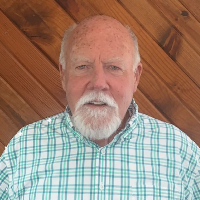
About Michael
Dr. Michael Cundiff is a licensed professional counselor with 45 years of experience offering practical help for people feeling overwhelmed. He practices from Missouri and focuses on easing stress and anxiety while also addressing related concerns like depression, grief, addiction, and relationship strain.
He uses straightforward conversation to find what matters to each person. Clients can expect a calm, relationship-centered approach. Sessions are often 45 minutes but can be adjusted.
Background and approach
Dr. Cundiff encourages people to set the pace that feels right and to bring questions as they arise. His work emphasizes listening first, then building goals together.
He draws from client-centered methods to keep the person’s priorities in view. He also uses cognitive behavioral ideas to spot thinking patterns that keep problems going. Mindfulness techniques and narrative work are added when helpful to shift how people relate to feelings and stories from their past.
Motivational interviewing is used to support change when someone wants to tackle habits or addiction. The mix aims to be practical and tailored rather than one-size-fits-all. Sessions are offered in English and can be done by video, phone, live chat, or text messaging.
People who are dealing with parenting challenges, caregiver stress, attachment or abandonment themes, ADHD, or first responder strain are among the many topics he addresses. To begin, a short matching questionnaire and scheduling step gets the conversation started.
How his approaches translate to online therapy
Client-centered therapy focuses on building a trusting relationship and following the person's priorities. In online sessions this means the therapist listens carefully and helps set clear goals the client feels good about. Cognitive Behavioral Therapy, or CBT, looks at how thoughts and behaviors interact and teaches practical skills for changing unhelpful patterns. It can help with anxiety, sleep problems, and mood shifts through exercises discussed during sessions.Finding the right approach is often a collaborative process. The therapist will ask about needs, goals, and what has helped or not helped before. Together the client and therapist decide which methods to try and adjust them over time based on what works for the person.
Online formats include video calls, phone sessions, live chat, and text-based messaging. Video is useful for face-to-face conversation and skill demonstrations. Phone sessions can work when bandwidth is limited or for a shorter check-in. Live chat and text messaging offer flexible ways to process thoughts between longer meetings or to fit a session into a busy day. These options make it easier to maintain continuity of care and fit therapy into daily life.
Questions people ask
What kinds of problems does this therapist help with?
What is the general therapy style here?
How long has this clinician been practicing?
Where is this therapist licensed and located?
Which languages are used for sessions?
Can international clients work with this therapist?
What session formats are available?
How are costs and getting started handled?
What this therapist works with
Most often
- Stress, Anxiety
- Relationship issues
- Family conflicts
Also listed
- Abandonment
- Addictions
- ADHD
- Adoption and foster care
- Aging and geriatric issues
- Anger management
- Attachment issues
- Career difficulties
- Caregiver issues and stress
- Coaching
- Codependency
- Commitment issues
- Communication problems
- Compassion fatigue
- Coping with life changes
- Depression
- Divorce and separation
- Eating disorders
- Emptiness
- Family problems
- Fatherhood issues
- First responder issues
- Forgiveness
- Grief
- Guilt and shame
- Hearing impaired
- Hospice and end-of-life counseling
- Impulsivity
- Infidelity
- Intellectual disability
- Intimacy-related issues
- Jealousy
- LGBT
- Life purpose
- Men's issues
- Midlife crisis
- Money and financial issues
- Obsessions, compulsions, and OCD
- Panic disorder and panic attacks
- Parenting issues
- Personality disorders
- Phobias
- Post-traumatic stress
- Process addiction (porn, exercise, gambling)
- Seasonal Affective Disorder (SAD)
- Self esteem
- Self-harm
- Sex addiction
- Sexual assault and abuse
- Sexual dysfunction
- Sleeping disorders
- Social anxiety and phobia
- Trauma and abuse
- Trichotillomania
- Women's issues
- Workplace issues
- Young adult issues
Therapeutic approaches
- Experience
- 45 years
- Licensed
- Missouri
- Languages
- English
We will earn a commission if you sign up through our link, at no cost to you.