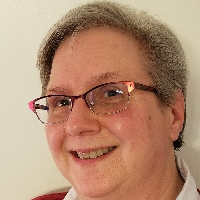
About Cynthia
Cynthia Moses is a licensed social worker who helps people manage stress, anxiety, grief, and relationship challenges. She welcomes people with concerns such as trauma, addictions, parenting strain, mood difficulties, and questions about identity and intimacy. Cynthia speaks plainly and aims to make the first steps into therapy easier to take.
She keeps sessions warm and straightforward. Cynthia listens first to understand what matters most to each person. Then she works together with them to set realistic goals and small steps toward change.
Background and approach
She believes most people already know some answers but need help clearing the obstacles that get in the way. Her approach balances practical tools with personal reflection. Cynthia uses client-centered conversation to build trust and tailors cognitive-behavioral techniques when patterns of thinking make life harder.
Mindfulness and narrative ideas are woven in to help people notice their thoughts and reframe painful stories. With three years of documented experience as an LSCSW and LCSW, she has supported people through loss, panic attacks, anger, caregiving stress, and difficult life transitions. She has worked with survivors of abuse and with people coping with chronic health and end-of-life concerns.
Sessions focus on clear, achievable steps. Cynthia helps people develop coping skills, improve communication, and rebuild trust in relationships when that is part of the goal. She encourages steady progress and honors the effort it takes to change.
How therapeutic approaches translate to online care
Cognitive Behavioral Therapy (CBT) focuses on spotting unhelpful thoughts and changing patterns that lead to anxiety or depression. Sessions often include simple homework and practical skills you can use between meetings. Client-Centered Therapy emphasizes empathy and listening so clients feel heard while deciding their next steps. This approach helps people build confidence and clarify what they want from therapy.Finding the right approach is part of the work together. Cynthia will collaborate with each person to choose methods that match their goals and daily life. She adapts techniques over time so sessions stay useful and aligned with changing needs.
Online therapy offers flexible ways to meet. Video calls allow face-to-face conversation and visual cues. Phone sessions work well when bandwidth is limited or a shorter check-in is needed. Live chat and text-based messaging let people exchange thoughts between sessions or fit support into a busy day. These options make it easier to keep consistency, try strategies in real time, and maintain momentum toward goals.
Questions people ask
What concerns does Cynthia help with?
How would you describe her therapy style?
What is her background and experience?
Where is she licensed and based?
Which languages are offered in sessions?
Can she work with people outside the United States?
What session formats are available?
How do costs and scheduling work?
What this therapist works with
Most often
Also listed
- Addictions
- ADHD
- Aging and geriatric issues
- Anger management
- Bipolar disorder
- Career difficulties
- Caregiver issues and stress
- Coaching
- Codependency
- Compassion fatigue
- Coping with life changes
- Depression
- Dissociation
- Divorce and separation
- Domestic violence
- Eating disorders
- Family conflicts
- Family of origin issues
- Gender dysphoria
- Grief
- Guilt and shame
- HIV / AIDS
- Hospice and end-of-life counseling
- Intimacy-related issues
- Life purpose
- Mood disorders
- Panic disorder and panic attacks
- Parenting issues
- Polyamory / non-monogamous relationships
- Post-traumatic stress
- Relationship issues
- Seasonal Affective Disorder (SAD)
- Self esteem
- Self-love
- Sexuality
- Social anxiety and phobia
- Veteran and Armed Forces Issues
- Women's issues
Therapeutic approaches
- Experience
- 3 years
- Licensed
- Kansas, Missouri
- Languages
- English
We will earn a commission if you sign up through our link, at no cost to you.