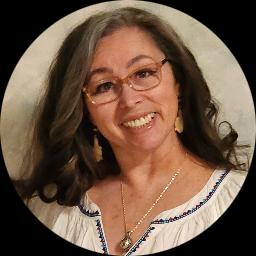
About Carla
Carla Bensie is a Licensed Professional Counselor (LPC) with eleven years of experience working in West Virginia. She focuses on helping people who feel overwhelmed by stress or anxiety and those struggling with depression or addictive behaviors. Carla aims to make the first step toward change feel manageable for anyone who reaches out.
She creates a calm, nonjudgmental space where people can talk through painful memories and current struggles. Sessions are straightforward and conversational.
Background and approach
Carla listens, asks clear questions, and helps people find practical steps they can try between meetings. Carla uses a mix of approaches tailored to each person. She draws on cognitive behavioral ideas to spot and change unhelpful thinking patterns.
Mindfulness practices are used to build awareness and reduce reactivity. For trauma or intense memories she may incorporate trauma-focused techniques such as eye movement desensitization and reprocessing when appropriate. People who want help with life transitions, intimacy concerns, body image or LGBT-related issues will find a therapist who addresses both emotional and practical needs.
She also supports people facing grief, hospice and end-of-life concerns, and long-standing family patterns like codependency or communication problems. Carla offers flexible ways to meet, including video, phone, live chat, and text-based messaging. She works collaboratively to set goals and to adjust strategies as progress is made.
Approaches for online care and practical tools
Carla often uses cognitive behavioral therapy, which focuses on identifying unhelpful thoughts and trying small behavioral changes to shift mood and stress. This approach helps with anxiety, depression, and everyday worry by breaking problems into manageable steps.She also draws on mindfulness therapy to help people become more aware of the moment and reduce emotional reactivity. Mindfulness practices can be brief and easy to use between sessions to calm strong feelings and improve focus.
Finding the right approach is part of the work. The therapist will talk with each person about their goals and preferences and select or adapt methods together. Sessions are collaborative, and techniques are adjusted as progress is made.
Online therapy is offered via video calls, phone sessions, live chat, or text-based messaging to fit different needs. Video works well for deeper conversations and body language cues. Phone sessions can be a simpler option when bandwidth is limited. Live chat and text messages are useful for quick check-ins, brief skill reminders, or when someone prefers written communication. These options make it easier to fit therapy into a busy life and to try different ways of connecting.
Questions people ask
What concerns does she help with?
How would you describe her therapeutic style?
How much experience does she have?
What are her credentials and where is she based?
Which languages are supported for sessions?
What formats are available for online sessions?
How does cost and billing work?
What should I do to get started?
What this therapist works with
Also listed
- Abandonment
- Aging and geriatric issues
- Anger management
- Bipolar disorder
- Blended family issues
- Body image
- Co-morbidity
- Codependency
- Communication problems
- Coping with life changes
- Depression
- Dissociation
- Domestic violence
- Drug and alcohol addiction
- Eating and food-related issues
- Eating disorders
- Family of origin issues
- Forgiveness
- Guilt and shame
- Hospice and end-of-life counseling
- Infidelity
- Intimacy-related issues
- Isolation / loneliness
- LGBT
- Life purpose
- Midlife crisis
- Multicultural concerns
- Post-traumatic stress
- Postpartum depression
- Process addiction (porn, exercise, gambling)
- Seasonal Affective Disorder (SAD)
- Self esteem
- Self-harm
- Self-love
- Social anxiety and phobia
- Women's issues
Therapeutic approaches
- Experience
- 11 years
- Licensed
- West Virginia
- Languages
- English
We will earn a commission if you sign up through our link, at no cost to you.