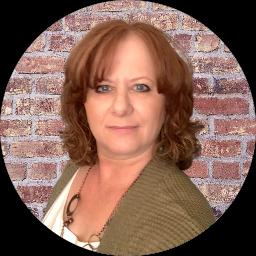
About Tina
Tina Simpson is a licensed clinical social worker who helps people cope with stress and anxiety. She focuses on practical communication skills and clear goals. Tina works online and adapts sessions to each person’s needs.
Tina uses a team approach with the person in the center. She listens for what matters most and builds goals together. Many people she sees want better ways to talk with others and manage strong feelings.
Background and approach
Her work draws on attachment-based ideas to understand relationship patterns. She also uses client-centered techniques to follow what the person brings to the room. Cognitive behavioral tools are used to test unhelpful thoughts and try new behaviors.
Tina has five years of clinical experience and holds the credentials LCSW - Licensed Clinical Social Worker and CSW - Certified Social Worker. She practices from Colorado and offers sessions in English. She helps people with a wide range of concerns including depression, bipolar mood challenges, grief, low self-esteem, and LGBT-related issues such as gender dysphoria and coming out support.
Additional focuses include codependency, abandonment, caregiver stress, and communication problems. Work is collaborative and goal oriented. Tina uses short-term skills alongside deeper conversations about meaning and identity.
Sessions can include homework, behavioral experiments, and gentle exploration of life stories to make changes that fit everyday life.
How Tina's Approaches Work Online
Tina often draws on attachment-based therapy to look at how early relationship patterns affect current connections. This approach helps people notice triggers in relationships and try new ways of relating. She also uses cognitive behavioral therapy, which focuses on identifying unhelpful thoughts and testing small behavior changes to reduce anxiety and improve mood.Choosing an approach is a collaborative process. Tina will ask about your goals, preferences, and what has or hasn't helped before. Together you will try methods that fit your needs and adjust the plan as you go, with room for both skills practice and deeper reflection.
Online sessions are offered as video calls, phone sessions, live chat, or text-based messaging to make therapy more flexible. Video calls let you see facial expressions and do structured exercises. Phone sessions can be easier when a camera feels like too much, and they use less bandwidth. Live chat or text messaging work well for brief check-ins, thought records, or when you want to send a message outside of a scheduled call. These options help people fit therapy around work, caregiving, or busy days while keeping the focus on progress and real-life change.
Questions people ask
What kinds of concerns does this therapist address?
How would you describe the therapy style?
What is Tina's professional background?
Where is the therapist based and what credentials do they hold?
Which languages and international options are available?
What session formats are offered?
How does billing and cost work?
How do I begin working with this therapist?
What this therapist works with
Most often
- Stress, Anxiety
- LGBT
- Relationship issues
Also listed
- Abandonment
- Autism and Asperger Syndrome
- Avoidant personality
- Bipolar disorder
- Caregiver issues and stress
- Co-morbidity
- Codependency
- Commitment issues
- Communication problems
- Control issues
- Depression
- Dissociation
- Emptiness
- Family conflicts
- Family problems
- Forgiveness
- Gender dysphoria
- Grief
- Guilt and shame
- Hoarding
- Infidelity
- Isolation / loneliness
- Jealousy
- Life purpose
- Money and financial issues
- Mood disorders
- Panic disorder and panic attacks
- Paranoia
- Personality disorders
- Post-traumatic stress
- Self esteem
- Self-harm
- Self-love
- Sexuality
- Social anxiety and phobia
- Trichotillomania
- Women's issues
- Workplace issues
Therapeutic approaches
- Experience
- 5 years
- Licensed
- Colorado
- Languages
- English
We will earn a commission if you sign up through our link, at no cost to you.