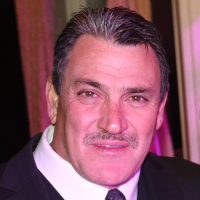
About Timothy
Timothy 'Tim' McCann is a licensed professional counselor who focuses on helping people manage anxiety, stress, and relationship concerns. He brings six years of clinical experience and uses practical talk and skill-building to help clients find clearer ways forward. Tim emphasizes straightforward conversations and real-world strategies.
Sessions often include learning tools for coping with intense emotions, practicing communication skills, and building daily routines that reduce overwhelm. He aims to make therapy feel useful from the first few visits.
Background and approach
His background includes work with people facing trauma, addiction, grief, and the stresses of life change. Tim also addresses concerns such as body image, self-esteem, anger, and patterns like codependency or attachment worries. He combines several approaches to match each person’s needs rather than relying on a single method.
In practice he draws on Acceptance and Commitment Therapy, Cognitive Behavioral Therapy, Dialectical Behavior Therapy, Emotionally-Focused Therapy, and client-centered methods. These approaches guide how he helps people notice thoughts and feelings, shift unhelpful patterns, and improve close relationships. Tim holds the Licensed Professional Counselor credential and the Licensed Mental Health Counselor credential and practices in Florida.
He offers sessions in English and sees some clients from outside the U.S. using online formats. To start he asks people to complete a short matching questionnaire and then schedule a session.
Therapeutic approaches and online care
Acceptance and Commitment Therapy helps people notice hard thoughts and feelings without getting stuck, and then choose actions that match their values. Cognitive Behavioral Therapy looks at thoughts and behaviors, teaching practical skills to reduce worry and change patterns that feed anxiety. Client-Centered Therapy centers the session on the person's experience, providing empathic listening so clients can explore what matters most to them and decide on goals.Choosing the right approach is a collaborative process. The therapist discusses goals, preferences, and what has or hasn't worked before, then adapts methods to fit each person's needs. That cooperative planning makes it easier to try different techniques and adjust as therapy progresses.
Online sessions are offered via video calls, phone sessions, live chat, or text-based messaging to make care more flexible. Video lets people practice communication skills and pick up nonverbal cues. Phone sessions use less bandwidth and can fit into a work break. Live chat or text-based messaging can be useful for shorter check-ins, homework support, or when someone prefers writing. These options help people fit therapy into busy lives and maintain continuity when schedules or locations change.
Questions people ask
What concerns does Tim commonly address?
What is his therapeutic style like?
What experience does he bring to sessions?
What credentials and location information are on file?
Which languages are offered and can international clients connect?
What session formats are available?
How is cost handled for sessions?
How do I begin working with him?
What this therapist works with
Most often
- Stress, Anxiety
- Relationship issues
- Intimacy-related issues
Also listed
- Abandonment
- Addictions
- ADHD
- Anger management
- Antisocial personality
- Attachment issues
- BDSM, kink, and alternative sex culture
- Blended family issues
- Body image
- Career difficulties
- Coaching
- Codependency
- Commitment issues
- Communication problems
- Compassion fatigue
- Control issues
- Coping with life changes
- Coping with natural or human-caused disaster
- Depression
- Divorce and separation
- Domestic violence
- Drug and alcohol addiction
- Eating disorders
- Family conflicts
- Family problems
- Fatherhood issues
- First responder issues
- Forgiveness
- Grief
- Guilt and shame
- Immigration issues
- Impulsivity
- Infidelity
- Isolation / loneliness
- Jealousy
- Life purpose
- Men's issues
- Midlife crisis
- Multicultural concerns
- Narcissism
- Parenting issues
- Polyamory / non-monogamous relationships
- Post-traumatic stress
- Process addiction (porn, exercise, gambling)
- Self esteem
- Self-love
- Sex addiction
- Sexual dysfunction
- Sexuality
- Smoking / vaping cessation
- Social anxiety and phobia
- Trauma and abuse
- Veteran and Armed Forces Issues
- Young adult issues
Therapeutic approaches
- Experience
- 6 years
- Licensed
- Colorado, Florida
- Languages
- English
We will earn a commission if you sign up through our link, at no cost to you.