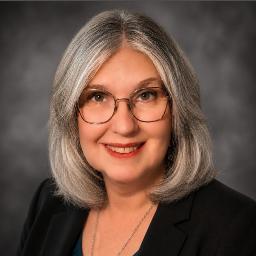
About Sharon
Sharon Link is a licensed clinical social worker with 25 years of experience. She works with people struggling with anxiety, stress, depression, addictions, and relationship challenges. Sharon writes in a warm, direct way and aims to teach practical tools people can use day to day.
Her approach is interactive and respectful. She centers the person seeking help and supports them in choosing the pace and focus of treatment. Sharon blends straightforward skills teaching with opportunities to talk through hard memories and current worries.
Background and approach
Sharon uses cognitive behavioral techniques to help people notice unhelpful thoughts and try different behaviors. She also draws on client-centered methods to follow each person's priorities, and on DBT skills for emotional regulation and distress tolerance. For people who have experienced trauma, she may incorporate EMDR strategies when appropriate.
Over a long career she has worked with a wide range of concerns, including bipolar disorder, parenting stress, grief, sleep and eating difficulties, ADHD, chronic illness, and issues around identity and intimacy. She has also supported people coping with codependency, abandonment, and caregiver strain. Sessions are aimed at teaching tools, reducing urgent symptoms, and helping people build habits that fit their lives.
Sharon invites a collaborative process where the person in therapy guides the goals and choices about methods. Her style is practical, compassionate, and focused on real-life results.
Approaches and online care that fit your life
Sharon commonly uses cognitive behavioral therapy and client-centered work to help people manage anxiety and stress. Cognitive behavioral therapy focuses on identifying unhelpful thoughts and testing new behaviors to reduce symptoms. Client-centered work means sessions follow the person's concerns and priorities, with the therapist offering support and guidance rather than directing every step.She also draws on dialectical behavior therapy when strong emotions or impulsive reactions become a problem. DBT teaches concrete skills for regulating feelings, tolerating distress, and improving communication. These approaches can be mixed based on what the person needs and what feels most helpful during early sessions. The therapist collaborates with each person to choose the best methods and adjusts the plan as goals change.
Online therapy options include video calls, phone sessions, live chat, and text-based messaging. Video sessions let people use visual cues and have a deeper conversation, while phone sessions can work well when bandwidth is limited or a simpler check-in is needed. Live chat and messaging allow shorter check-ins, ongoing skill coaching, and flexibility around timing. These formats make it easier to fit therapy into a busy schedule and to keep working on goals between sessions.
Questions people ask
What concerns does Sharon commonly address?
How would you describe her therapy style?
What kind of experience does she bring?
What credentials and location are listed?
Which languages and international options are available?
What session formats does she use?
How does payment and cost work?
How do I begin working with her?
What this therapist works with
Also listed
- Abandonment
- Addictions
- ADHD
- Anger management
- Attachment issues
- Avoidant personality
- Bipolar disorder
- Caregiver issues and stress
- Chronic pain, illness, and disability
- Codependency
- Commitment issues
- Compassion fatigue
- Coping with life changes
- Dependent personality
- Depression
- Disruptive Mood Dysregulation Disorder (DMDD)
- Drug and alcohol addiction
- Eating disorders
- Family conflicts
- Family problems
- Forgiveness
- Grief
- Guilt and shame
- Hospice and end-of-life counseling
- Intimacy-related issues
- Isolation / loneliness
- LGBT
- Life purpose
- Midlife crisis
- Mood disorders
- Panic disorder and panic attacks
- Paranoia
- Parenting issues
- Personality disorders
- Phobias
- Post-traumatic stress
- Process addiction (porn, exercise, gambling)
- Relationship issues
- Self-harm
- Self-love
- Sleeping disorders
- Smoking / vaping cessation
- Social anxiety and phobia
- Women's issues
Therapeutic approaches
- Experience
- 25 years
- Licensed
- Missouri, Wyoming
- Languages
- English
We will earn a commission if you sign up through our link, at no cost to you.