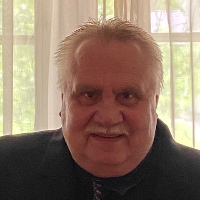
About Scott
Scott Heise is a Licensed Clinical Professional Counselor (LCPC) based in Illinois with 14 years of experience. He works with adults who are dealing with stress, anxiety, depression, addictions, grief, sleep problems, ADHD, and life changes. He brings a calm, straightforward manner to sessions and focuses on practical steps people can use right away.
Scott trained in counseling psychology and has a long background in community mental health settings. He has worked with people facing trauma, mood disorders, substance use, relationship and family-of-origin issues, and chronic medical challenges.
Background and approach
That background shapes a grounded way of working with complex problems. His style is client-centered and goal oriented. He uses guided conversation, skill practice, and clear action plans so people leave with tools they can try between sessions.
He may include faith-based discussion when a client wants that perspective, and he keeps a warm, nonjudgmental tone. Scott uses approaches such as Cognitive Behavioral Therapy, Dialectical Behavior Therapy, and mindfulness-based practices to address thinking patterns, emotional regulation, and daily habits. Sessions focus on small, doable changes that reduce overwhelm and improve sleep, mood, and coping skills.
People who prefer a direct but compassionate therapist may find his approach helpful. He encourages honest conversation, sets measurable goals, and checks progress regularly. The emphasis is on practical relief and gradual, realistic change over time.
Approaches that translate well to online care
Client-centered therapy emphasizes listening and collaboration, helping people set their own goals and make choices that fit their values. This approach suits issues like low self-esteem, life changes, and relationship concerns by keeping the work focused on what matters to the individual.Cognitive Behavioral Therapy (CBT) targets unhelpful thought patterns and behaviors with concrete exercises. It is useful for anxiety, depression, sleep problems, and many everyday stressors because it teaches coping skills and step-by-step practice.
Dialectical Behavior Therapy (DBT) offers straightforward skills for handling strong emotions and improving communication. It helps with emotional regulation, anger, and impulsive responses by teaching simple practices for grounding and managing intense moments.
Finding the right approach is part of the process. The therapist will work together with the client to pick methods that match goals, preferences, and daily demands. That may mean trying CBT tools for a few weeks, adding mindfulness practices, or adjusting the plan based on what helps most.
Online sessions are offered by video, phone, live chat, or text-based messaging to fit different needs. Video calls allow face-to-face conversation and visual cues, phone sessions can be lower bandwidth and easier during a busy day, live chat enables quick check-ins, and text messaging supports brief ongoing contact and reminders. These options make it easier to fit therapy into work, caregiving, or a varied schedule.
Questions people ask
What concerns does he help with?
What is his therapeutic style like?
How much experience does he have?
What credentials and region apply?
Which languages are supported?
What session formats are available?
How does billing and cost work?
How do I begin working with him?
What this therapist works with
Also listed
- ADHD
- Aging and geriatric issues
- Anger management
- Attachment issues
- Avoidant personality
- Bipolar disorder
- Blended family issues
- Career difficulties
- Caregiver issues and stress
- Chronic pain, illness, and disability
- Co-morbidity
- Communication problems
- Control issues
- Coping with life changes
- Coping with natural or human-caused disaster
- Depression
- Dissociation
- Domestic violence
- Drug and alcohol addiction
- Emptiness
- Family of origin issues
- Family problems
- Fatherhood issues
- Forgiveness
- Grief
- Guilt and shame
- Isolation / loneliness
- Men's issues
- Midlife crisis
- Mood disorders
- Obsessions, compulsions, and OCD
- Panic disorder and panic attacks
- Paranoia
- Parenting issues
- Personality disorders
- Phobias
- Post-traumatic stress
- Seasonal Affective Disorder (SAD)
- Self esteem
- Self-love
- Sleeping disorders
- Smoking / vaping cessation
- Social anxiety and phobia
- Workplace issues
Therapeutic approaches
- Experience
- 14 years
- Licensed
- Illinois
- Languages
- English
We will earn a commission if you sign up through our link, at no cost to you.