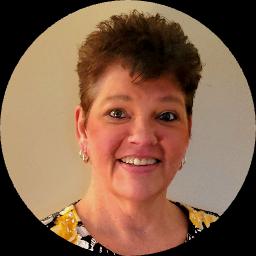
About Pamela
Pamela Thompson is a licensed professional counselor (LPC-MHSP) based in Tennessee with three decades of experience. She helps people who feel overwhelmed by stress, anxiety, depression, bipolar mood changes, addictions, and the strain of caregiving. Pamela treats questions about relationships, parenting, intimacy, and life transitions with a gentle, respectful approach.
Pamela listens first and shapes the work around each person's needs. She uses clear, practical tools so conversations lead to usable changes at home and work.
Background and approach
Sessions are focused and straightforward, with room to talk about grief, chronic medical challenges, or identity concerns such as LGBT-related stress. Her background includes long experience supporting people through trauma, grief, and major life shifts. Pamela draws on narrative and mindfulness approaches to help people notice patterns and build calm in daily life.
She also uses cognitive behavioral strategies to break unhelpful thinking and habits. People meet Pamela for help with sleep and eating struggles, anger, low self-esteem, or career uncertainty. She also supports those facing hospice, cancer, caregiver strain, or intellectual disability concerns by adapting pace and goals to what the person needs right now.
Sessions are conversational but goal-oriented. Pamela emphasizes collaboration and practical steps clients can use between meetings. She encourages small experiments that build confidence and reduce distress over time.
Therapeutic approaches and online care that fit your life
Pamela commonly uses Client-Centered Therapy and Cognitive Behavioral Therapy in online work. Client-Centered Therapy means the conversation is shaped around what matters most to the person, with the therapist listening carefully and following the client’s lead to build trust and focus. Cognitive Behavioral Therapy (CBT) focuses on identifying unhelpful thoughts and habits and trying new behaviors that reduce anxiety and improve mood.Finding the right approach is part of the process. Pamela will collaborate with each person to decide which methods feel most useful, combining approaches when that makes sense. The goal is to match strategies to real-world goals and preferences so progress feels practical and manageable.
Online formats include video calls, phone sessions, live chat, and text-based messaging. Video calls let people use visual cues and longer conversations, while phone sessions can work well when bandwidth is limited or a shorter check-in is needed. Live chat and messaging are useful for brief updates, coaching-style support, or when a person prefers typed communication. These options aim to make counseling flexible and easier to fit into a busy life.
Questions people ask
What kinds of concerns does Pamela help with?
What is her therapeutic style like?
How much clinical experience does she have?
What credential does she hold and where is she located?
Are sessions offered in other languages or to international clients?
What session formats are available?
How does payment and cost work?
How do I begin working with her?
What this therapist works with
Most often
Also listed
- Addictions
- ADHD
- Aging and geriatric issues
- Anger management
- Bipolar disorder
- Blended family issues
- Cancer
- Career difficulties
- Caregiver issues and stress
- Coaching
- Compassion fatigue
- Coping with life changes
- Depression
- Divorce and separation
- Domestic violence
- Eating disorders
- Emptiness
- Family conflicts
- Family of origin issues
- Family problems
- First responder issues
- Forgiveness
- Guilt and shame
- HIV / AIDS
- Hospice and end-of-life counseling
- Intellectual disability
- Intimacy-related issues
- Isolation / loneliness
- Jealousy
- Mood disorders
- Multicultural concerns
- Obsessions, compulsions, and OCD
- Panic disorder and panic attacks
- Paranoia
- Parenting issues
- Personality disorders
- Phobias
- Postpartum depression
- Prejudice and discrimination
- Relationship issues
- Seasonal Affective Disorder (SAD)
- Self esteem
- Self-harm
- Self-love
- Sleeping disorders
- Smoking / vaping cessation
- Social anxiety and phobia
- Trauma and abuse
- Trichotillomania
- Women's issues
- Young adult issues
Therapeutic approaches
- Experience
- 30 years
- Licensed
- Tennessee
- Languages
- English
We will earn a commission if you sign up through our link, at no cost to you.