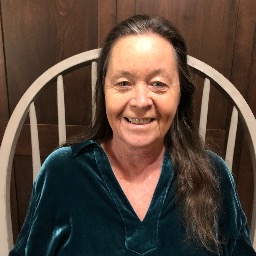
About Mary
Mary Kallenbach is a Licensed Clinical Mental Health Counselor Supervisor in North Carolina with more than two decades of clinical work. She helps people facing stress, anxiety, depression, grief, relationship struggles, and life transitions. She also supports clients coping with trauma, eating concerns, addiction, ADHD, bipolar mood challenges, and intimacy or self-esteem issues.
Mary meets people where they are and focuses on practical steps forward. Sessions often mix talking, skill practice, and strategies tailored to daily life.
Background and approach
She uses tools from cognitive behavioral approaches, mindfulness, and acceptance-based methods to reduce distress and build coping skills. Her background includes work in inpatient and community settings and a long history in independent practice since the late 1990s. That experience includes working with adults who have complex presentations and providing group and individual care in clinical and residential programs.
In therapy she draws from Cognitive Behavioral Therapy, Dialectical Behavior Therapy, Acceptance and Commitment Therapy, Eye Movement Desensitization and Reprocessing, and client-centered approaches. Those methods are chosen to match each person’s needs and goals rather than following a single script. Mary trained at Webster University, earning a Master of Arts in Counseling, and she holds the LCMHC credential.
Her work is informed by years of treating a wide range of emotional and behavioral concerns in North Carolina clinical settings and independent practice.
Therapeutic approaches in online sessions
Mary commonly uses Cognitive Behavioral Therapy to help people notice and change unhelpful thinking and behavior patterns; this approach is practical and useful for anxiety, depression, and coping with stress. Acceptance and Commitment Therapy (ACT) is another approach she uses to help people clarify values and take committed action, which can be helpful for life changes and persistent worry.She also draws on Dialectical Behavior Therapy skills when people need tools for emotional regulation and distress tolerance. Each approach is described and tried in collaboration with the client so the treatment matches personal goals and needs. The therapist will discuss options and adjust methods based on how a person responds during the first sessions.
Online therapy with video calls, phone sessions, live chat, or text-based messaging offers flexibility for different routines and comfort levels. Video sessions allow face-to-face interaction for skill demonstrations and deeper conversation. Phone sessions work well when bandwidth is limited or when a shorter check-in fits a break at work. Live chat and text-based messaging can be used for brief updates, homework review, or when written reflection feels easier. These formats make it possible to continue ongoing work without rearranging major parts of daily life.
Questions people ask
What concerns does Mary commonly address?
How would you describe her therapeutic style?
What sort of clinical background does she have?
What are her credentials and where is she based?
Which languages are available for sessions?
What formats are available for online work?
How is cost handled for sessions?
How do I begin a therapy process with her?
What this therapist works with
Most often
- Stress, Anxiety
- Relationship issues
- Trauma and abuse
Also listed
- Abandonment
- Addictions
- ADHD
- Aging and geriatric issues
- Bipolar disorder
- Blended family issues
- Cancer
- Career difficulties
- Codependency
- Commitment issues
- Communication problems
- Compassion fatigue
- Coping with life changes
- Depression
- Divorce and separation
- Eating disorders
- Family conflicts
- Family of origin issues
- Family problems
- Fertility issues
- Forgiveness
- Grief
- Guilt and shame
- Impulsivity
- Infidelity
- Intimacy-related issues
- Isolation / loneliness
- Jealousy
- LGBT
- Life purpose
- Midlife crisis
- Mood disorders
- Obsessions, compulsions, and OCD
- Phobias
- Polyamory / non-monogamous relationships
- Post-traumatic stress
- Seasonal Affective Disorder (SAD)
- Self esteem
- Self-love
- Social anxiety and phobia
- Trichotillomania
- Women's issues
- Workplace issues
Therapeutic approaches
- Experience
- 23 years
- Licensed
- North Carolina
- Languages
- English
We will earn a commission if you sign up through our link, at no cost to you.