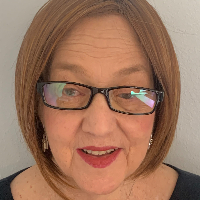
About Linda
Linda Guidry is a Licensed Professional Counselor (LPC) with 16 years of experience. She helps people who feel stuck by offering steady, practical support for anxiety, stress, grief, depression, and related concerns. Her tone is warm and straightforward, aimed at helping clients find clearer direction and more energy in daily life.
Her style emphasizes listening and working together to set simple, achievable goals. Sessions focus on skills that reduce anxiety, improve mood, and build healthier responses to anger and difficult emotions.
Background and approach
She draws on mindfulness and evidence-based techniques to help people handle crisis and change more effectively. Linda earned a master’s degree in Educational Leadership, Guidance, and Counseling from the University of New Orleans and has worked in independent practice, foster care, nonprofit settings, and day programs for chronically ill adults.
That range of settings shaped her practical approach to problems like chronic illness, caregiver stress, grief, and life transitions. She uses client-centered methods alongside Cognitive Behavioral Therapy and Dialectical Behavior Therapy tools to set goals and teach coping skills. Hypnotherapy and mindfulness practices are also part of her toolbox when appropriate.
Linda aims to help clients build clearer thinking, stronger self-esteem, and better emotional regulation. Sessions are offered in English and are available via video calls, phone sessions, live chat, and text-based messaging. She is licensed in Louisiana and Alaska and works with adults on a wide range of issues including parenting concerns, trauma and abuse, intimacy-related matters, ADHD, and chronic health challenges.
Approaches that guide online sessions
Linda uses Client-Centered Therapy to keep sessions focused on each person's needs. This means the therapist listens closely, reflects feelings, and helps clients set their own goals so progress feels practical and relevant. Client-centered work is useful for building trust and clarifying what matters most to a person.She also uses Cognitive Behavioral Therapy (CBT) to help people notice unhelpful thoughts and try new behaviors. CBT teaches concrete skills for reducing anxiety and improving mood, making it useful for stress, panic, and persistent worry. Dialectical Behavior Therapy (DBT) strategies are used when stronger emotion regulation or distress tolerance skills are needed; these tools help with anger, intense emotions, and relationship challenges.
Finding the right approach is a collaborative process. The therapist will discuss goals, preferences, and what seems most helpful, then adjust techniques as work progresses. Clients and therapist choose practical steps together rather than following a rigid plan.
Online formats include video calls, phone sessions, live chat, and text-based messaging to fit different routines. Video is good for full-session conversations and visual cues. Phone sessions can work when bandwidth is limited or a shorter check-in is needed. Live chat and text messaging are useful for brief updates, coaching-style support, or when typing feels more comfortable. These options aim to make it easier to keep therapy consistent around work, caregiving, or other commitments.
Questions people ask
What concerns does she address?
What is her therapeutic style like?
How much experience does she have?
What credentials and location are listed?
In what language are sessions offered?
Which session formats are available?
How does pricing work?
How do I begin if I want to work together?
What this therapist works with
Most often
- Stress, Anxiety
- Grief
- Parenting issues
Also listed
- ADHD
- Adoption and foster care
- Aging and geriatric issues
- Anger management
- Antisocial personality
- Bipolar disorder
- Cancer
- Caregiver issues and stress
- Chronic pain, illness, and disability
- Coaching
- Codependency
- Communication problems
- Compassion fatigue
- Control issues
- Coping with life changes
- Coping with natural or human-caused disaster
- Depression
- Disruptive Mood Dysregulation Disorder (DMDD)
- Divorce and separation
- Eating and food-related issues
- Emptiness
- Family conflicts
- Fertility issues
- Forgiveness
- Hospice and end-of-life counseling
- Impulsivity
- Infidelity
- Intimacy-related issues
- Isolation / loneliness
- LGBT
- Life purpose
- Midlife crisis
- Mood disorders
- Narcissism
- Obsessions, compulsions, and OCD
- Panic disorder and panic attacks
- Phobias
- Relationship issues
- Seasonal Affective Disorder (SAD)
- Self esteem
- Self-love
- Social anxiety and phobia
- Trauma and abuse
- Visually impaired
- Women's issues
- Workplace issues
- Young adult issues
Therapeutic approaches
- Experience
- 16 years
- Licensed
- Louisiana, Alaska
- Languages
- English
We will earn a commission if you sign up through our link, at no cost to you.