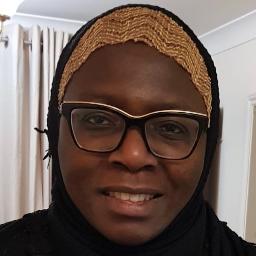
About Khafayah
Khafayah Abdulsalam works with people facing anxiety, stress, grief and relationship pain. She also supports those coping with trauma, addictions, low self-esteem and major life changes. Khafayah writes plainly and listens closely so concerns are named and understood.
She offers faith-sensitive counselling where clients request it, including Qur'anic reflection and spiritual practices. Khafayah uses a blend of approaches to meet each person’s needs. She draws on person-centred counselling to create a respectful space.
Background and approach
Cognitive behavioural tools and emotional regulation strategies help with anxious thoughts and overwhelming feelings. When trauma or attachment wounds are present, Khafayah brings approaches that focus on safety and repairing connection. She also works with intimacy and family-of-origin issues, including boundaries and communication difficulties.
For clients who want faith integrated into sessions, she can incorporate Islamic reflections and du'a alongside psychological work. Sessions may include reflective journaling, practical coping exercises and paced conversations about difficult memories. Khafayah emphasises steady progress rather than quick fixes.
She keeps goals realistic and adapts methods to what the person finds most helpful. Khafayah is an Accredited Member of the British Association for Counselling and Psychotherapy, and an Accredited Registrant of the National Counselling and Psychotherapy Society. She has five years of clinical experience and offers work in English and Yoruba.
How her approaches work in online therapy
Khafayah draws on Cognitive Behavioural Therapy (CBT) to help people notice unhelpful thoughts and try different responses. CBT often involves practical exercises between sessions to reduce anxious thinking and low mood. She also uses Attachment-Based Therapy to look at early relationship patterns and how they affect present-day connections. This helps when difficulties stem from trust, abandonment or communication problems. Finding the right approach is part of the process. Khafayah works collaboratively to choose methods that match a person's goals and preferences, and she adjusts the plan as therapy progresses. Online formats include video calls, phone sessions, live chat and text-based messaging. Video is useful for a fuller conversational experience, while phone calls suit people with limited bandwidth. Live chat and messaging let people check in between sessions or use shorter, more frequent exchanges when that fits a busy schedule. These options make it easier to fit therapy into daily life. They let people access therapeutic support from different locations and use the format that feels most workable for them.Questions people ask
What concerns does Khafayah commonly help with?
How would you describe her therapeutic style?
What background and experience does she have?
Which credentials and location are listed?
Which languages are available and can international clients book?
What session formats does she offer online?
How are sessions charged and what about cost?
How do I begin therapy with her?
What this therapist works with
Most often
- Stress, Anxiety
- Relationship issues
- Trauma and abuse
Also listed
- Abandonment
- Addictions
- Anger management
- Attachment issues
- Autism and Asperger Syndrome
- Avoidant personality
- Bipolar disorder
- Blended family issues
- Career difficulties
- Coaching
- Codependency
- Commitment issues
- Communication problems
- Compassion fatigue
- Control issues
- Coping with life changes
- Depression
- Divorce and separation
- Domestic violence
- Drug and alcohol addiction
- Eating disorders
- Emptiness
- Family conflicts
- Family of origin issues
- Family problems
- Forgiveness
- Grief
- Guilt and shame
- Hospice and end-of-life counseling
- Intimacy-related issues
- Isolation / loneliness
- Life purpose
- Midlife crisis
- Multicultural concerns
- Narcissism
- Panic disorder and panic attacks
- Parenting issues
- Post-traumatic stress
- Prejudice and discrimination
- Self esteem
- Self-love
- Sexual assault and abuse
- Women's issues
- Workplace issues
Therapeutic approaches
- Acceptance and Commitment Therapy (ACT)
- Attachment-Based Therapy
- Client-Centered Therapy
- Cognitive Behavioral Therapy (CBT)
- Emotionally-Focused Therapy (EFT)
- Eye Movement Desensitization and Reprocessing (EMDR)
- Gottman Method
- Mindfulness Therapy
- Solution-Focused Therapy
- Trauma-Focused Therapy
- Internal Family Systems
- Experience
- 5 years
- Licensed
- Languages
- English, Yoruba
We will earn a commission if you sign up through our link, at no cost to you.