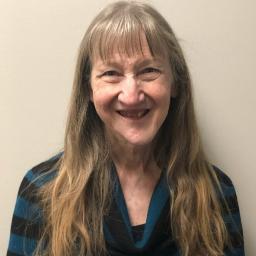
About Karen
Karen Murphree is a licensed clinical social worker with thirty years of experience. She brings a wide lens to care, blending traditional psychotherapy with practical tools people can use in daily life. Karen practices in Montana and speaks English.
Her style is straightforward and person-focused. Sessions are conversational and paced to each person. She invites curiosity about how habits, relationships, and life events shape thoughts and feelings rather than labeling people by a single problem.
Background and approach
Karen uses a mix of evidence-based techniques and creative practices. She may draw on cognitive behavioral strategies, dialectical tools, and attachment ideas alongside guided imagery, music, movement, or breath work. These are offered as options to help clients find what fits their life and goals.
People who want help with stress, anxiety, grief, low self-esteem, depression, or major life transitions will find practical skills and steady support. She also addresses intimacy-related concerns, trauma and abuse, anger, compassion fatigue, and LGBT issues among other focuses. The work often includes looking at family of origin patterns, communication, and how past loss or attachment hurts show up now.
Karen often shares educational resources to follow up between sessions. She describes her approach as strength-based and whole person oriented, attending to body, mind, and spirit. If a client and therapist choose to work together, Karen aims to help them explore new ways forward that feel doable in everyday life.
How Karen blends therapeutic methods for online care
Attachment-based work looks at how early bonds shape how people relate and respond to stress. Online sessions can use conversation and guided reflection to notice patterns in relationships and to practice new ways of connecting. Cognitive Behavioral Therapy, or CBT, focuses on the link between thoughts, feelings, and actions. In teletherapy this often means learning simple exercises and real-world assignments to change unhelpful thinking and behavior.Finding the right approach is a collaborative process. Karen will talk with each person about goals, preferences, and daily life, and then suggest methods to try. She adapts techniques when something isn’t working and encourages clients to give feedback so adjustments can be made together.
Online therapy offers flexible ways to meet. Video calls allow face-to-face conversation and visual cues. Phone sessions are useful when bandwidth is limited or a shorter check-in is needed. Live chat and text-based messaging make it easier to share brief updates, homework, or to get support between sessions. These options help people fit care into work, caregiving, or travel schedules while using attachment and CBT tools to manage anxiety, stress, and life transitions.
Questions people ask
What types of concerns does Karen address?
What is her therapeutic style like?
How much clinical experience does she have?
Where is she located and what credential does she hold?
Which languages are supported for sessions?
What session formats are available?
How does cost work for sessions?
How do I begin working with her?
What this therapist works with
Most often
Also listed
- Abandonment
- Aging and geriatric issues
- Anger management
- Attachment issues
- BDSM, kink, and alternative sex culture
- Body image
- Cancer
- Caregiver issues and stress
- Chronic pain, illness, and disability
- Communication problems
- Compassion fatigue
- Control issues
- Coping with life changes
- Depression
- Divorce and separation
- Family conflicts
- Family of origin issues
- Forgiveness
- Gender dysphoria
- Guilt and shame
- Hospice and end-of-life counseling
- Intimacy-related issues
- Isolation / loneliness
- LGBT
- Life purpose
- Midlife crisis
- Panic disorder and panic attacks
- Polyamory / non-monogamous relationships
- Post-traumatic stress
- Relationship issues
- Seasonal Affective Disorder (SAD)
- Self-harm
- Self-love
- Sexual assault and abuse
- Sexuality
- Social anxiety and phobia
- Trauma and abuse
- Visually impaired
- Women's issues
- Workplace issues
Therapeutic approaches
- Experience
- 30 years
- Licensed
- Kansas, Washington, Missouri, Montana, Idaho, Oregon
- Languages
- English
We will earn a commission if you sign up through our link, at no cost to you.