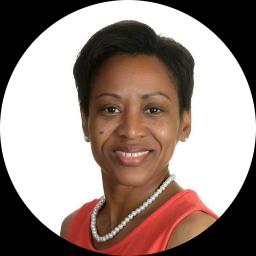
About Cindy
Dr. Cindy George draws on a client-centred and integrative way of working to help people facing stress and anxiety. She presents herself with a calm, non-judgemental manner and aims to build a clear, respectful working relationship.
Her practice emphasises practical steps people can try between sessions. With 25 years of experience, Dr George has supported people in a wide range of settings. Her background spans independent practice, community mental health and substance support services.
Background and approach
That variety has shaped a flexible approach that adapts to each person's situation. She uses Cognitive Behavioral Therapy, Dialectical Behavior Therapy, narrative and existential ideas, and person-centred principles to guide work. In practice this means noticing unhelpful thoughts, trying small behaviour changes and paying attention to personal values and stories.
Conversations are focused and down-to-earth, with tools you can use after the session. Cindy also works with concerns such as relationships, intimacy, grief, addictions, eating issues, parenting pressures, mood disorders and panic attacks. She helps people clarify priorities, improve communication and manage intense feelings.
The aim is clearer thinking and steadier coping in day-to-day life. Sessions are offered in English and she works with clients in the United Kingdom and internationally. Her training is reflected in a BACP credential.
If someone wants to begin, they follow the site's start steps to match and schedule a first appointment.
Therapeutic approaches and online support
Dr Cindy George uses Cognitive Behavioral Therapy to help people identify and change unhelpful thoughts and behaviours. CBT sessions often include clear strategies and short exercises to reduce anxiety or manage mood symptoms.She also draws on Client-Centred Therapy which focuses on listening, empathy and working at the client’s pace. This approach helps people feel heard and make sense of their own goals. Dialectical Behavior Therapy ideas are used when emotion regulation and distress tolerance skills are needed to manage intense feelings or crises.
Finding the right approach is part of the work. The therapist will discuss options and agree a plan with each person based on their needs, goals and preferences. That collaborative process helps tailor techniques and decide which methods to emphasise.
Online therapy is offered by video call, phone, live chat or text-based messaging to provide practical flexibility. Video calls are useful for full conversation and visual cues, phone sessions work well when bandwidth is limited, and messaging or chat can suit brief check-ins or day-to-day support. These options make it easier to fit therapy around work, family or travel while keeping continuity of care.
Questions people ask
What concerns does she commonly help with?
What is her therapeutic style like?
How much experience does she have?
What credentials and location apply to this counsellor?
Which languages are supported for sessions?
What session formats are available online?
How do costs and payments work?
How do I begin a course of therapy?
What this therapist works with
Most often
- Stress, Anxiety
- Relationship issues
- Family conflicts
Also listed
- Addictions
- Anger management
- Bipolar disorder
- Blended family issues
- Body image
- Career difficulties
- Coaching
- Commitment issues
- Communication problems
- Control issues
- Coping with life changes
- Depression
- Divorce and separation
- Domestic violence
- Eating disorders
- Family problems
- Forgiveness
- Grief
- Infidelity
- Intimacy-related issues
- Isolation / loneliness
- LGBT
- Life purpose
- Midlife crisis
- Mood disorders
- Panic disorder and panic attacks
- Parenting issues
- Phobias
- Post-traumatic stress
- Self esteem
- Self-harm
- Self-love
- Sexuality
- Social anxiety and phobia
- Trauma and abuse
- Workplace issues
- Young adult issues
Therapeutic approaches
- Experience
- 25 years
- Licensed
- Languages
- English
We will earn a commission if you sign up through our link, at no cost to you.