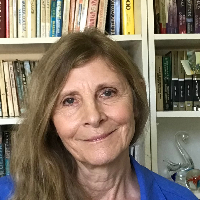
About Carolyn
Dr. Carolyn Lennox offers practical, experience-based help for people feeling overwhelmed by stress and anxiety. She greets each person calmly and listens for what matters most.
Her approach is straightforward and aimed at reducing day-to-day distress so people can get back to living. With 40 years in mental health and family guidance, Dr. Lennox brings a long history of clinical work in clinics and independent practice across Texas.
She holds a doctorate in counseling and is a Licensed Master Social Worker and a Licensed Marriage and Family Therapist.
Background and approach
Her credentials are listed as LMFT and LCSW. She helps people with a wide range of concerns including anxiety, depression, trauma, grief, addictions, and relationship and family issues. She also supports those coping with chronic illness, caregiving and end-of-life matters, and stress related to major life changes.
Dr. Lennox draws on several practical methods such as cognitive behavioral techniques, dialectical behavior skills, solution-focused work, and hypnotherapy when appropriate. Sessions aim to build useful skills, change unhelpful patterns, and set realistic goals that fit each person’s life.
Most work is done through conversation and skills practice. She emphasizes clear communication and collaborative planning so people leave with concrete next steps. Her style is direct but warm, helping people move from feeling stuck to finding manageable ways forward.
Approaches that translate well to online care
Dr. Lennox commonly uses cognitive behavioral therapy and dialectical behavior therapy in remote sessions. Cognitive behavioral therapy focuses on identifying unhelpful thoughts and testing new behaviors to reduce anxiety and depression. Dialectical behavior therapy teaches emotion regulation and distress tolerance skills that can be practiced between sessions to manage intense feelings.Choosing the best approach is a collaborative process. She will talk with each person about goals, preferences, and what has helped in the past, then recommend methods to try. Progress is reviewed regularly and the plan is adjusted if needed so the work fits the person's life.
Online formats include video calls, phone sessions, live chat, and text-based messaging. Video is useful for full sessions and skill practice, phone works well for lower bandwidth or quick check-ins, and text or chat can suit short updates or ongoing coaching between meetings. These options make it easier to fit therapy into busy days and to continue care across different locations.
Questions people ask
What kinds of problems does she help with?
What is her general approach in therapy?
How long has she been practicing?
What credentials does she hold and where is she based?
Which languages are supported for sessions?
Can people outside the United States work with her?
What session formats are available?
How does payment and getting started work?
What this therapist works with
Most often
Also listed
- Addictions
- Aging and geriatric issues
- Anger management
- Bipolar disorder
- Career difficulties
- Chronic pain, illness, and disability
- Codependency
- Compassion fatigue
- Coping with life changes
- Coping with natural or human-caused disaster
- Depression
- Divorce and separation
- Domestic violence
- Drug and alcohol addiction
- Family conflicts
- Family problems
- Guilt and shame
- Hospice and end-of-life counseling
- Intimacy-related issues
- Isolation / loneliness
- Mood disorders
- Obsessions, compulsions, and OCD
- Panic disorder and panic attacks
- Parenting issues
- Phobias
- Post-traumatic stress
- Postpartum depression
- Relationship issues
- Seasonal Affective Disorder (SAD)
- Self esteem
- Self-harm
- Sexual assault and abuse
- Social anxiety and phobia
- Veteran and Armed Forces Issues
- Women's issues
Therapeutic approaches
- Experience
- 40 years
- Licensed
- Texas
- Languages
- English
We will earn a commission if you sign up through our link, at no cost to you.