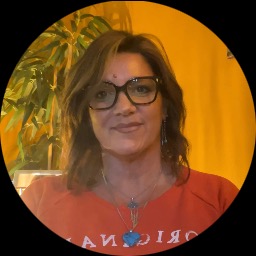
About Caralisa
Caralisa Alvis of Lee welcomes people who are struggling with stress and anxiety. She explains things simply and aims to make sessions straightforward and practical. Her approach suits someone who wants clear support and a calm space to talk through difficult feelings.
Caralisa is a BACP counsellor with four years of professional experience. She has worked with people facing relationship and family problems, trauma and abuse, and parenting and attachment concerns.
Background and approach
She also supports clients dealing with anger, addictions, grief, low self esteem, bipolar-related challenges, and major life changes. In conversation she keeps the focus on the person in front of her. Sessions are built to be non-judgemental and collaborative.
Caralisa encourages people to name what they are feeling and to try small, workable steps between meetings. Her work draws on a mix of approaches, including attachment-focused work, client-centred listening, cognitive behavioural techniques and psychodynamic thinking. She also uses body-focused somatic ideas when trauma or stress shows up in physical ways.
These methods are used to help with everyday coping, relationships, and trauma recovery. People can expect practical tools and time to reflect. Caralisa aims to help people feel more confident in handling stress and the challenges that follow difficult life events.
She explains ideas plainly and helps set simple goals to move forward.
How Caralisa's Approaches Work Online
Caralisa blends client-centred listening and cognitive behavioural work to help people manage feelings and change unhelpful patterns. Client-centred work focuses on attentive listening and helping a person say what matters most. Cognitive behavioural work offers practical exercises to notice thoughts and try different behaviours that reduce anxiety and stress.She also uses attachment-based ideas to understand how past relationships affect current reactions. That perspective can help when relationship wounds, parenting concerns or trust issues keep causing distress. Choosing an approach is a collaborative process - the therapist will discuss options and try different ways of working until a good fit is found based on your needs and goals.
Online formats include video calls, phone sessions, live chat and text-based messaging. Video lets conversations feel closest to in-person work, while phone calls can be easier when bandwidth is limited or a shorter check-in is needed. Live chat and messaging can suit people who prefer typing or want brief, regular contact. These options make it easier to fit therapy around work, family and travel commitments.
Questions people ask
What kinds of concerns can be addressed?
What is her therapeutic style like?
What is her professional background?
What credential does she hold and where is she based?
Which languages are supported?
How are sessions delivered?
How much does therapy cost?
How do I begin working with her?
What this therapist works with
Most often
- Stress, Anxiety
- Relationship issues
- Family conflicts
Also listed
- Abandonment
- Addictions
- Anger management
- Antisocial personality
- Attachment issues
- Bipolar disorder
- Caregiver issues and stress
- Codependency
- Compassion fatigue
- Control issues
- Coping with life changes
- Coping with natural or human-caused disaster
- Dissociation
- Divorce and separation
- Domestic violence
- Emptiness
- Family problems
- Forgiveness
- Grief
- Guilt and shame
- Impulsivity
- Infidelity
- Isolation / loneliness
- Life purpose
- Mood disorders
- Narcissism
- Obsessions, compulsions, and OCD
- Panic disorder and panic attacks
- Paranoia
- Parenting issues
- Personality disorders
- Post-traumatic stress
- Self esteem
- Self-love
- Sex addiction
- Sexual assault and abuse
- Sexuality
- Social anxiety and phobia
- Trauma and abuse
- Veteran and Armed Forces Issues
- Workplace issues
- Young adult issues
Therapeutic approaches
- Experience
- 4 years
- Licensed
- Languages
- English
We will earn a commission if you sign up through our link, at no cost to you.