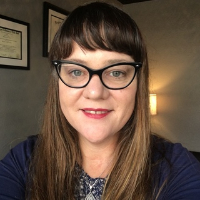
About Bethany
Bethany Kulp is a licensed clinical social worker who helps people manage stress, anxiety, trauma, depression, and grief. She also supports those facing parenting strain, addiction concerns, sleep problems, and challenges with self-esteem or life transitions. Her work includes attention to panic, obsessive thoughts, and issues around identity and purpose.
She uses a direct but warm approach in sessions. Bethany listens closely and offers practical tools for coping. She teaches skills, gently challenges unhelpful patterns, and helps people test new ways of thinking and acting.
Background and approach
Her toolbox includes cognitive behavioral methods, mindfulness practices, and solution-focused steps to reach concrete goals. Bethany blends these with movement- and body-oriented techniques to help people notice how stress shows up physically and to develop calmer responses. With two decades of experience, she draws on many examples from real life.
Sessions tend to be collaborative and goal-directed, with clear steps to try between meetings. Bethany focuses on helping people build skills that fit their daily routines. People who choose her often want a mix of practical strategies and gentle encouragement.
She works from Texas and holds the LCSW credential, which she uses to support a range of concerns. Conversations are straightforward and paced to match each person's needs.
Approaches that translate to online care
CBT, or cognitive behavioral therapy, helps people identify and change unhelpful thoughts and behaviors. It is often used for anxiety, panic, obsessive thinking, and mood concerns by teaching concrete steps to test and shift patterns. DBT, dialectical behavior therapy, emphasizes emotion regulation, distress tolerance, and clearer communication skills to manage intense emotions and reduce crises. Mindfulness therapy teaches present-moment awareness and simple practices that reduce reactivity and support calmer attention during stress.Finding the right approach is a collaborative process. The therapist will talk with each person about goals, preferences, and what feels most useful. Together they try methods and adjust the plan based on what produces helpful change in daily life.
Online sessions are offered as video calls, phone sessions, live chat, or text-based messaging to increase flexibility. Video is useful for full conversations and skill teaching, phone can work when bandwidth is limited, and messaging or live chat can fit quick check-ins or brief coaching between meetings. These options make it easier to fit therapy into busy schedules and to continue work when travel or location make in-person visits difficult.
Questions people ask
What kinds of concerns does she address?
How would you describe her therapy style?
What is her professional background?
Where is she based and what credential does she hold?
Are sessions available in other languages or internationally?
What session formats are used for online work?
How does payment and cost work?
How do I begin a counseling relationship with her?
What this therapist works with
Also listed
- Addictions
- Attachment issues
- Bipolar disorder
- Body image
- Career difficulties
- Caregiver issues and stress
- Chronic pain, illness, and disability
- Codependency
- Communication problems
- Compassion fatigue
- Coping with life changes
- Coping with natural or human-caused disaster
- Depression
- Dissociation
- Family of origin issues
- Grief
- Guilt and shame
- Isolation / loneliness
- LGBT
- Life purpose
- Midlife crisis
- Obsessions, compulsions, and OCD
- Panic disorder and panic attacks
- Parenting issues
- Polyamory / non-monogamous relationships
- Post-traumatic stress
- Prejudice and discrimination
- Self-love
- Sexual assault and abuse
- Sexuality
- Sleeping disorders
- Social anxiety and phobia
- Somatization
- Women's issues
- Workplace issues
Therapeutic approaches
- Experience
- 20 years
- Licensed
- Texas
- Languages
- English
We will earn a commission if you sign up through our link, at no cost to you.