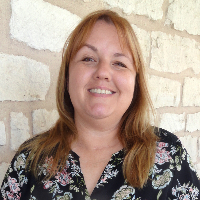
About Angela
Angela Gardner is a Licensed Clinical Social Worker with nine years as an LCSW and a long background in mental health. She draws on broad experience with people facing stress, anxiety, trauma, addiction, and life transitions. Her style is warm and grounded, and she aims to make tough conversations feel manageable.
She has worked in hospital and jail settings and has supported people recovering from addiction and trauma. Angela also spent time teaching at the university level, which shaped how she explains ideas and coaches practical steps forward.
Background and approach
In sessions she blends practical tools and compassionate listening. She uses Client-Centered Therapy to follow what matters most to the person. She also uses Cognitive Behavioral Therapy to identify unhelpful thoughts and build healthier routines.
Angela offers motivational interviewing and solution-focused techniques when people need short-term momentum or help deciding on next steps. She adapts methods to each person’s needs rather than insisting on one way of working. People who come to her often want help with anxiety, depression, sleep problems, anger, relationship strain, parenting stress, or recovery from abuse and addiction.
She also addresses issues like self-esteem, body image, codependency, and coping after loss. Her approach is collaborative. She listens first, then suggests concrete strategies people can try between sessions.
The emphasis is on steady progress and practical changes that fit day-to-day life.
Approaches that translate well to online care
Client-Centered Therapy focuses on understanding each person’s perspective and building a trusting connection. In practice this means the therapist listens closely, reflects what she hears, and helps clients set goals that matter to them. Cognitive Behavioral Therapy, or CBT, looks at the links between thoughts, feelings, and behaviors. It teaches simple strategies to test unhelpful thoughts and build new routines that reduce anxiety and improve sleep.Finding the right approach is a team effort. Angela will work with each person to choose and adapt methods based on their needs, goals, and preferences. That collaborative planning helps shape session structure and the homework or exercises people try between visits.
Online sessions using video calls let people talk face-to-face from wherever they are, which can make scheduling easier. Phone sessions work well when bandwidth is limited or a shorter check-in is needed. Live chat and text-based messaging offer ongoing access between sessions and can be useful for brief updates, coping reminders, or tracking progress. These options provide flexibility so therapy can fit daily life and changing routines.
Questions people ask
What concerns does she help with?
How would you describe her approach in sessions?
What is her professional background?
Where is she licensed and based?
Can sessions be held in languages other than English?
What session formats are offered?
How does payment and cost work?
What do I do to get started?
What this therapist works with
Most often
- Stress, Anxiety
- Trauma and abuse
- Anger management
Also listed
- Addictions
- ADHD
- Blended family issues
- Body image
- Codependency
- Commitment issues
- Communication problems
- Compassion fatigue
- Coping with natural or human-caused disaster
- Depression
- Divorce and separation
- Domestic violence
- Drug and alcohol addiction
- Emptiness
- Family conflicts
- Family problems
- Forgiveness
- Grief
- Guilt and shame
- Jealousy
- LGBT
- Life purpose
- Midlife crisis
- Mood disorders
- Narcissism
- Panic disorder and panic attacks
- Parenting issues
- Post-traumatic stress
- Postpartum depression
- Relationship issues
- Seasonal Affective Disorder (SAD)
- Self esteem
- Sleeping disorders
- Women's issues
- Workplace issues
- Young adult issues
Therapeutic approaches
- Experience
- 9 years
- Licensed
- Texas
- Languages
- English
We will earn a commission if you sign up through our link, at no cost to you.