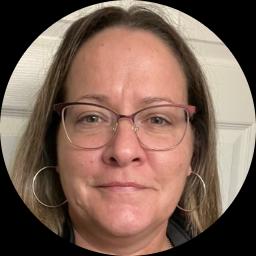
About Ammarritta
Ammarritta Simpson is a licensed clinical social worker (LCSW) based in New Jersey who helps people manage stress, anxiety, trauma, grief, and mood concerns. She welcomes conversations about depression, addictions, self-esteem, and the challenges that come with big life changes. Her practical focus is on helping clients find clearer ways to cope day to day.
Ammarritta’s style is warm and interactive. She listens with respect and aims to avoid stigmatizing labels.
Background and approach
Sessions are conversational and tailored to what each person needs in that moment. She uses a mix of approaches to match clients’ goals. Cognitive Behavioral Therapy helps identify and change unhelpful thoughts and behaviors.
Client-Centered Therapy keeps the session focused on the person’s own values and goals. Dialectical Behavior Therapy offers skills for emotion regulation and distress tolerance. Ammarritta also offers EMDR for people processing traumatic memories, and incorporates relationship skills from the Gottman Method when communication and conflict are central concerns.
She adapts these tools to fit what the client needs rather than following a rigid plan. With six years of experience as an LCSW, she has worked with people facing trauma, mood disorders, panic, personality-related struggles, and issues like gender dysphoria and sexual assault. That background informs a practical, respectful approach.
If someone wants to explore change, Ammarritta supports clear steps and achievable goals. She helps clients build skills for calmer days and more manageable reactions.
How these approaches translate to online therapy
Ammarritta uses Cognitive Behavioral Therapy and Dialectical Behavior Therapy in ways that work well online. CBT focuses on identifying unhelpful thoughts and testing new behaviors, which can be practiced during video or phone sessions. DBT teaches concrete skills for managing strong emotions and improving coping; skills practice and check-ins can happen in chat or text between sessions.She also draws on Client-Centered Therapy to keep the work focused on the person’s goals and values. That approach means the therapist listens closely and collaborates on what methods to try. Deciding which approach to emphasize is a shared process based on needs, goals, and preferences rather than a one-size-fits-all plan.
Online formats provide flexibility for different kinds of work. Video calls let people use visual cues for deeper conversation and skills demonstrations. Phone sessions can be a good option when bandwidth is limited or for brief check-ins. Live chat and text-based messaging support shorter updates, homework review, and ongoing skill practice between sessions. These choices help fit therapy into busy routines and make regular work on goals easier to maintain.
Questions people ask
What concerns does she address?
How would you describe her therapy style?
What is her professional background?
Where is she based and what credential does she hold?
In what languages can sessions be held?
Which session formats are available?
How does payment and cost work?
What should I do to begin working with her?
What this therapist works with
Most often
Also listed
- Addictions
- ADHD
- Anger management
- Antisocial personality
- Avoidant personality
- Bipolar disorder
- Career difficulties
- Coaching
- Compassion fatigue
- Coping with life changes
- Dependent personality
- Depression
- Disruptive Mood Dysregulation Disorder (DMDD)
- Domestic violence
- Forgiveness
- Gender dysphoria
- Guilt and shame
- LGBT
- Mood disorders
- Panic disorder and panic attacks
- Parenting issues
- Personality disorders
- Post-traumatic stress
- Self esteem
- Sexual assault and abuse
- Veteran and Armed Forces Issues
- Women's issues
Therapeutic approaches
- Experience
- 6 years
- Licensed
- Wyoming, North Dakota, New Jersey
- Languages
- English
We will earn a commission if you sign up through our link, at no cost to you.